When are separate parts useful?
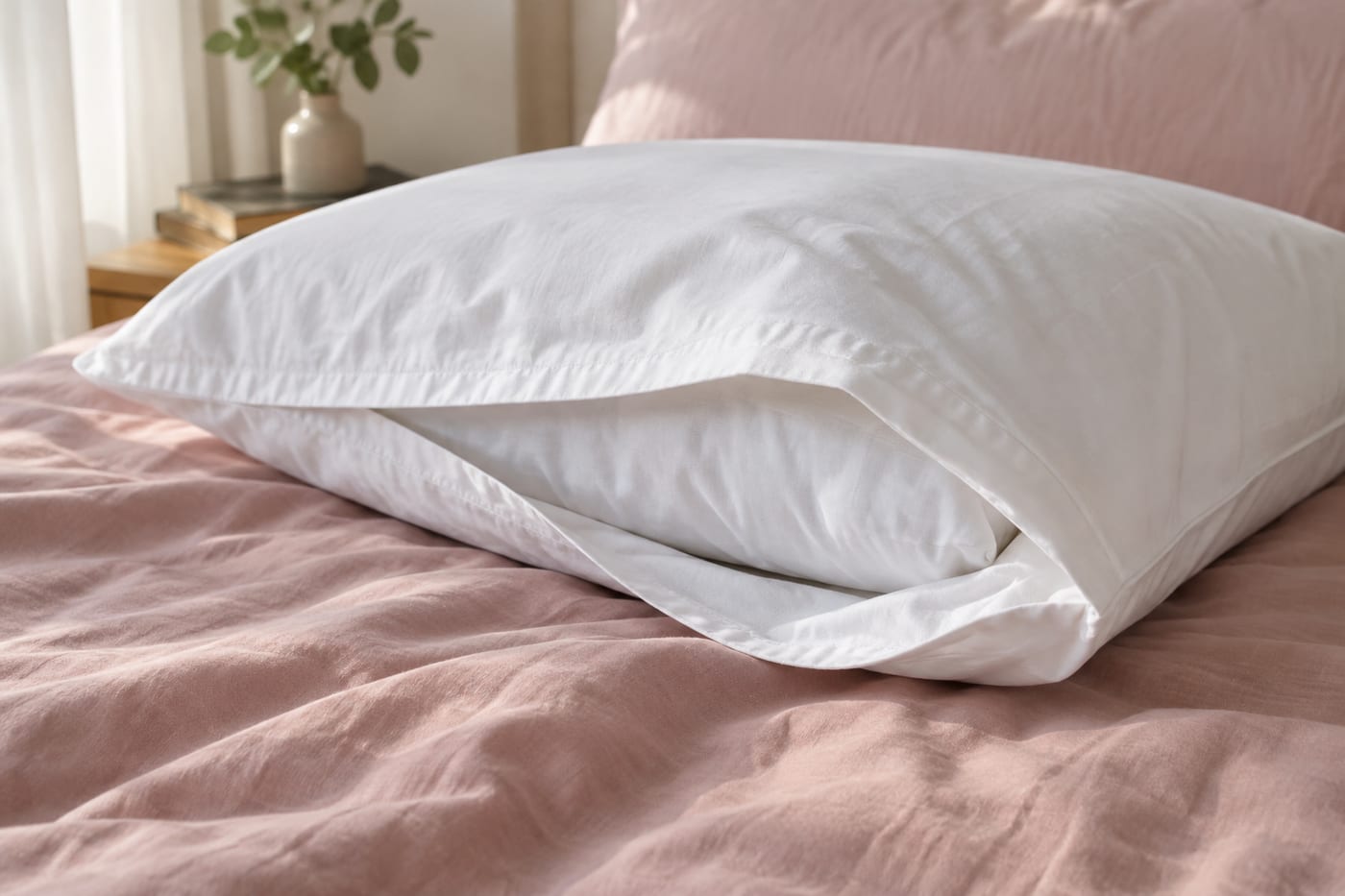
Bulk bedding allows you to choose each part as needed. For example, changing a sheet whose elastic has worn out, buying two single duvet covers for a double bed or fitting pillowcases for pillows that are not the size included in the set.
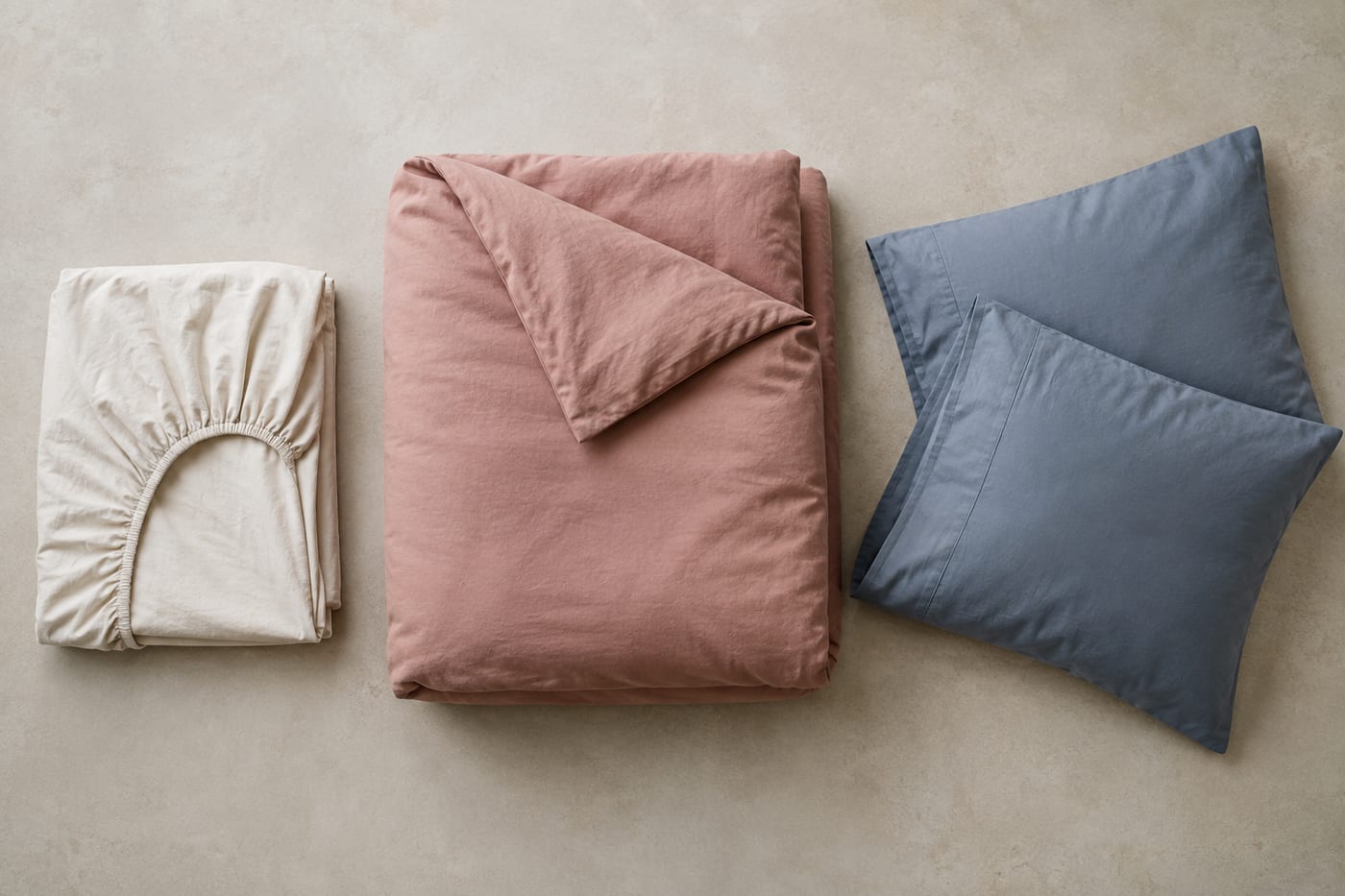
It is also possible to combine colors and textures without giving up normal parts that are already at home. The composition is determined by your bed, and not by what the manufacturer decided to pack together.
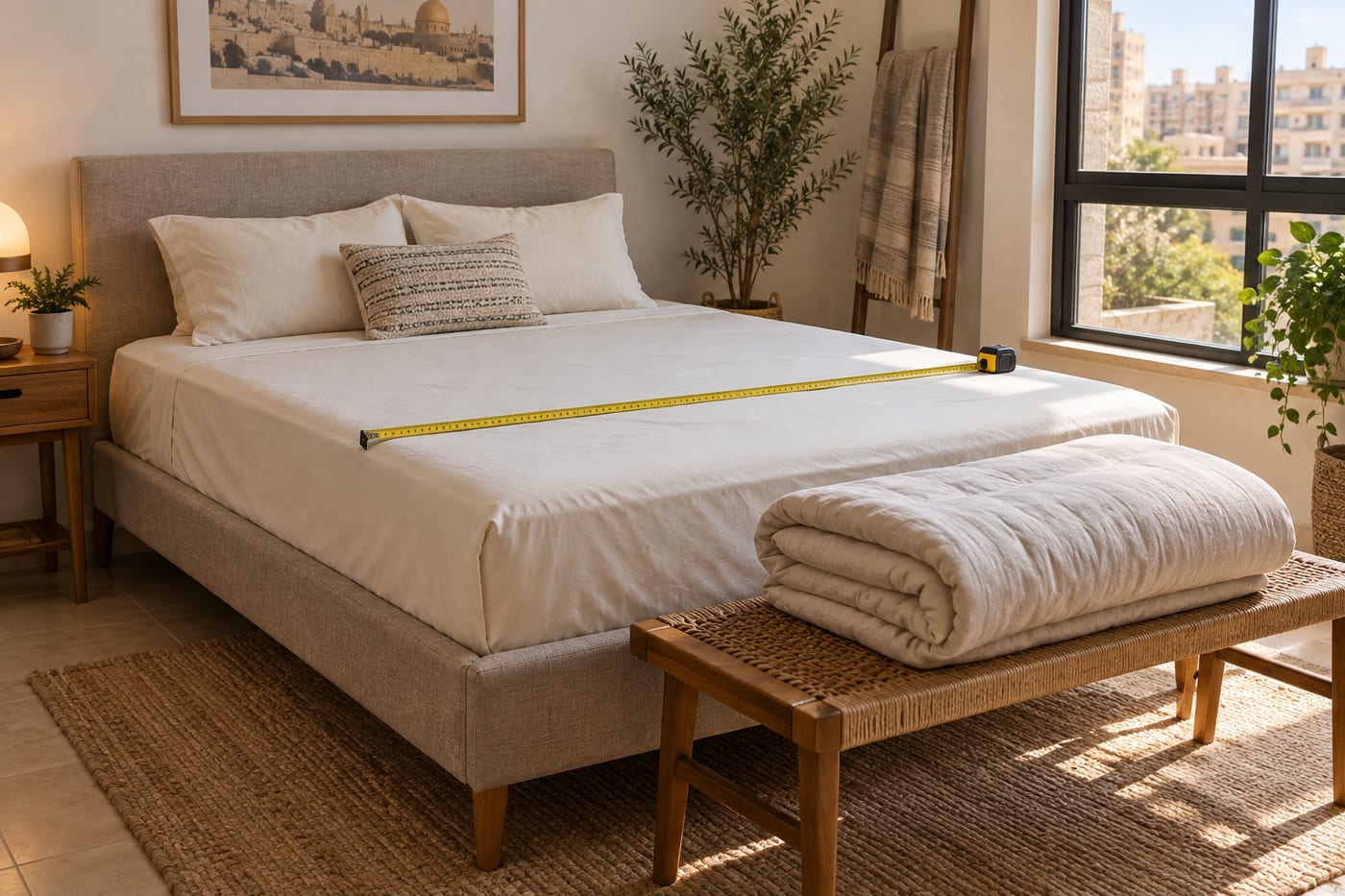
Prepare a list of measurements for each part
Write the width, length and height of the mattress on the sheet. For the duvet cover write down the dimensions of the blanket, and for the pillowcase the dimensions of the pillow. Do not use the word "even" instead of numbers.
If you choose a flat sheet, check that there is enough fabric for the desired coverage and tucking. It does not automatically fit any smaller bed: the excess fabric and the way it is used are also important.
For more information on the subject: Israeli bedding sizes: sheets, duvet covers and pillowcases.
Appropriate care and not just color
A sheet and duvet cover can look great together but require different washing programs. Read the instructions in advance, especially when combining silk, linen and synthetic fibers.
Also check for tone and gloss differences. You can choose a deliberate contrast, such as a smooth duvet cover and pillowcases with a print, instead of trying to match a new fabric exactly to the shade of a set that has already been washed.
Check the full cost
Calculate the price of all the required parts, including the number of pillowcases. Sometimes a complete set is more profitable, and sometimes buying only the missing part saves money and storage.
A high thread count does not compensate for an inappropriate size or a weak seam. Save the specifications of the items you have selected so that it will be easy to complete another part in the future.
Assemble a set around the part that already works well
Let's say your duvet cover is nice and in good condition, but the sheet doesn't fit the new mattress. You can leave the duvet cover and buy only a sheet, instead of looking for a complete set with the same pattern. Start with the part you want to keep and write down its color, the type of contact and the care instructions. Then look for a complementary part that meets the missing requirements.
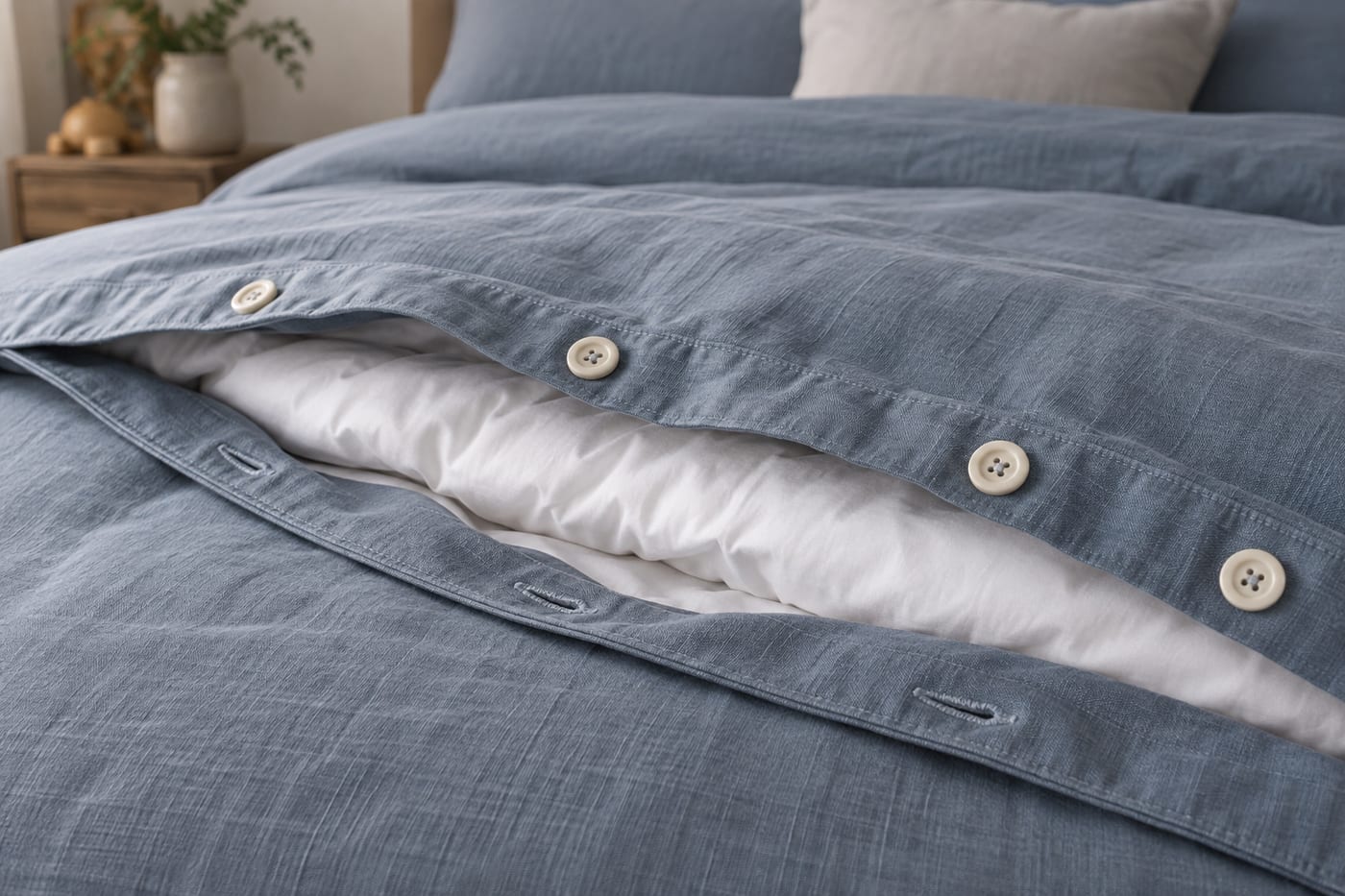
If the house has two single duvets on a double bed, the shopping list will include two suitable duvet covers and not a double duvet cover. The number of pillowcases should also match the number of pillows that are actually used. This way you avoid buying parts that look worthwhile in a package, but remain in the closet because they have no role in the bed.
How do you connect shades that don't look exactly the same?
It is difficult to reproduce white, cream or gray exactly between different series. Instead of choosing almost the same shade and being disappointed, you can create a deliberate combination: a smooth sheet in the shade that appears in the duvet cover print, or darker pillowcases next to a light cover. Place the samples next to each other and check them both in daylight and in the evening lighting of the room.
Save space for future replacement. Basic colors that you like to see separately will allow you to buy another sheet later on without looking for an example that has gone out of production. There is no obligation for the texture to be the same in all layers, but it is good that the parts you wash together should follow the same care routine.
A practical comparison before choosing
| What is there already? | what is missing | What to write down to buy |
|---|---|---|
| duvet cover is normal | A fitted sheet | Mattress dimensions and total height |
| Double bed and two blankets | separate duvet covers | Size of each blanket |
| Set with small pillowcases | pillowcases for existing pillows | Pocket size and no hem |
| Favorite printed fabric | Part part complements | A shade from the print |
Frequently asked questions
Do we have to have the same composition of fibers in the whole set?
No. You can combine, for example, one sheet and a duvet cover of a different weave. The main thing is that the touch is pleasant to you and that you do not wash together items with conflicting instructions.
How do you compare price against a closed set?
Estimate the price of the parts you will actually use, including shipping. A redundant part is not a savings just because it is included in the set.
Is it a problem to buy one part at a time?
Yes, but shades and series may vary. If an exact match is important to you, check availability and keep in mind that it is not always possible to complete the same shade in the future.
Sources and scope
Source check: September 15, 2026. The information was checked against the sources listed here. The selection tips are designed to help you compare; They are not based on product tests we conducted ourselves.
By MyViro.
The content explains textile characteristics and is not the result of a product test in a laboratory. How we prepare our guides
Based on content from the MyViro archive, edited and revised in September 2026.