The comparison starts with the definition
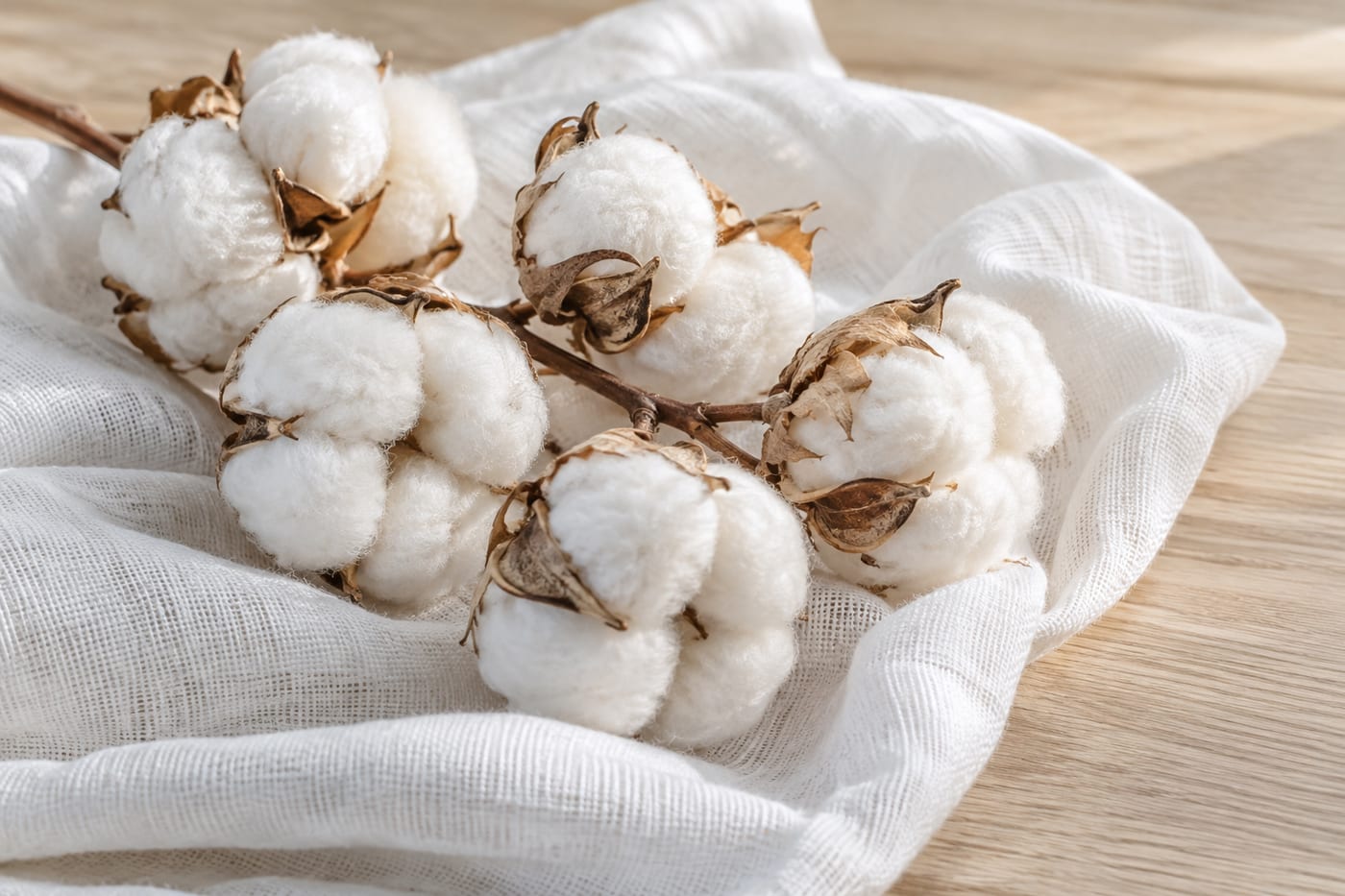
Cotton is a plant fiber. Microfiber is a description of very thin fibers; The bedding is usually polyester and sometimes other mixtures. That's why read the composition percentages on the label.
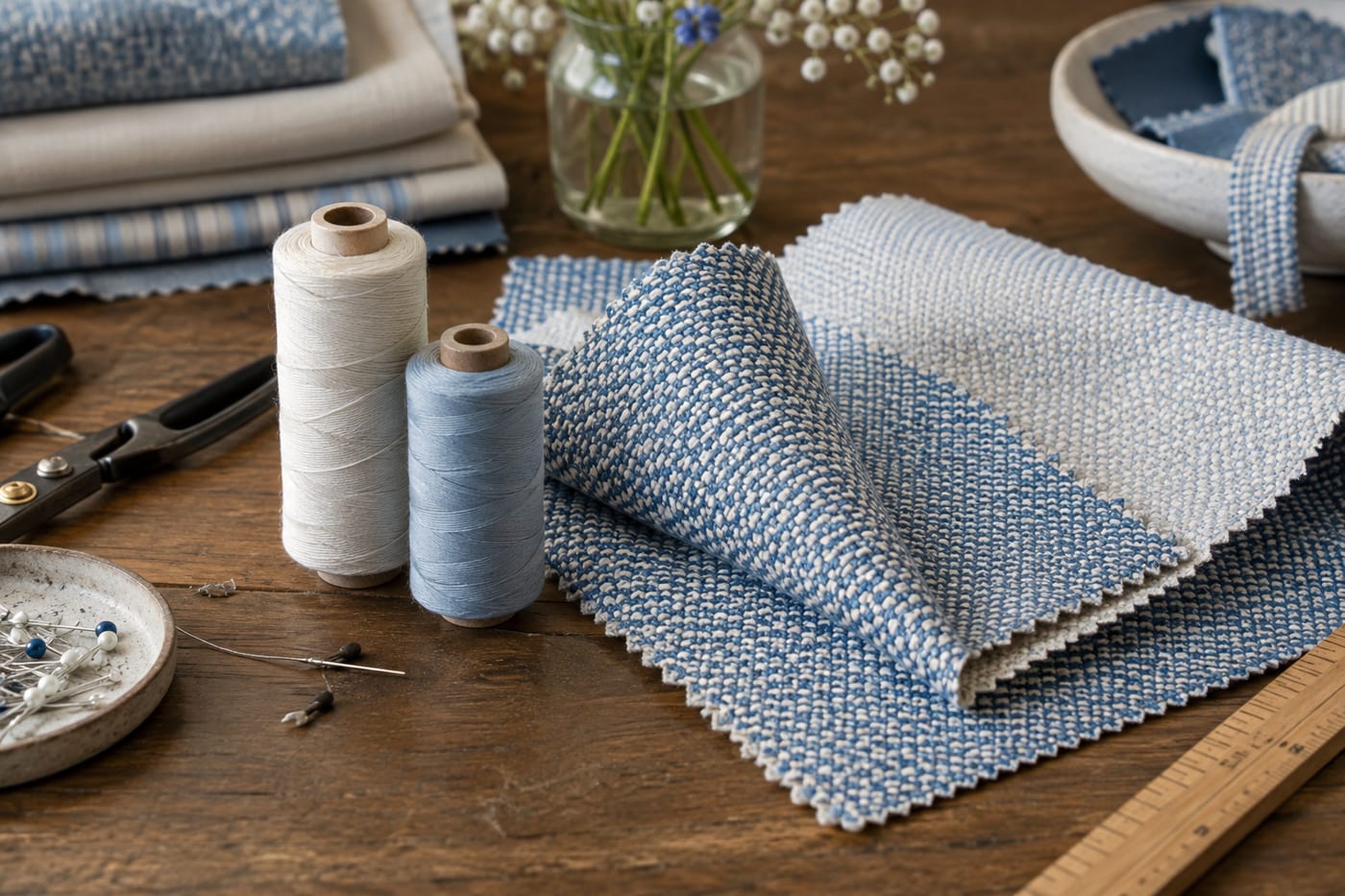
Even between two sets of cotton, or two sets of microfiber, there can be big differences. The thickness of the threads, the structure of the fabric and the finish affect the result.
Touch and heat are not determined by name alone
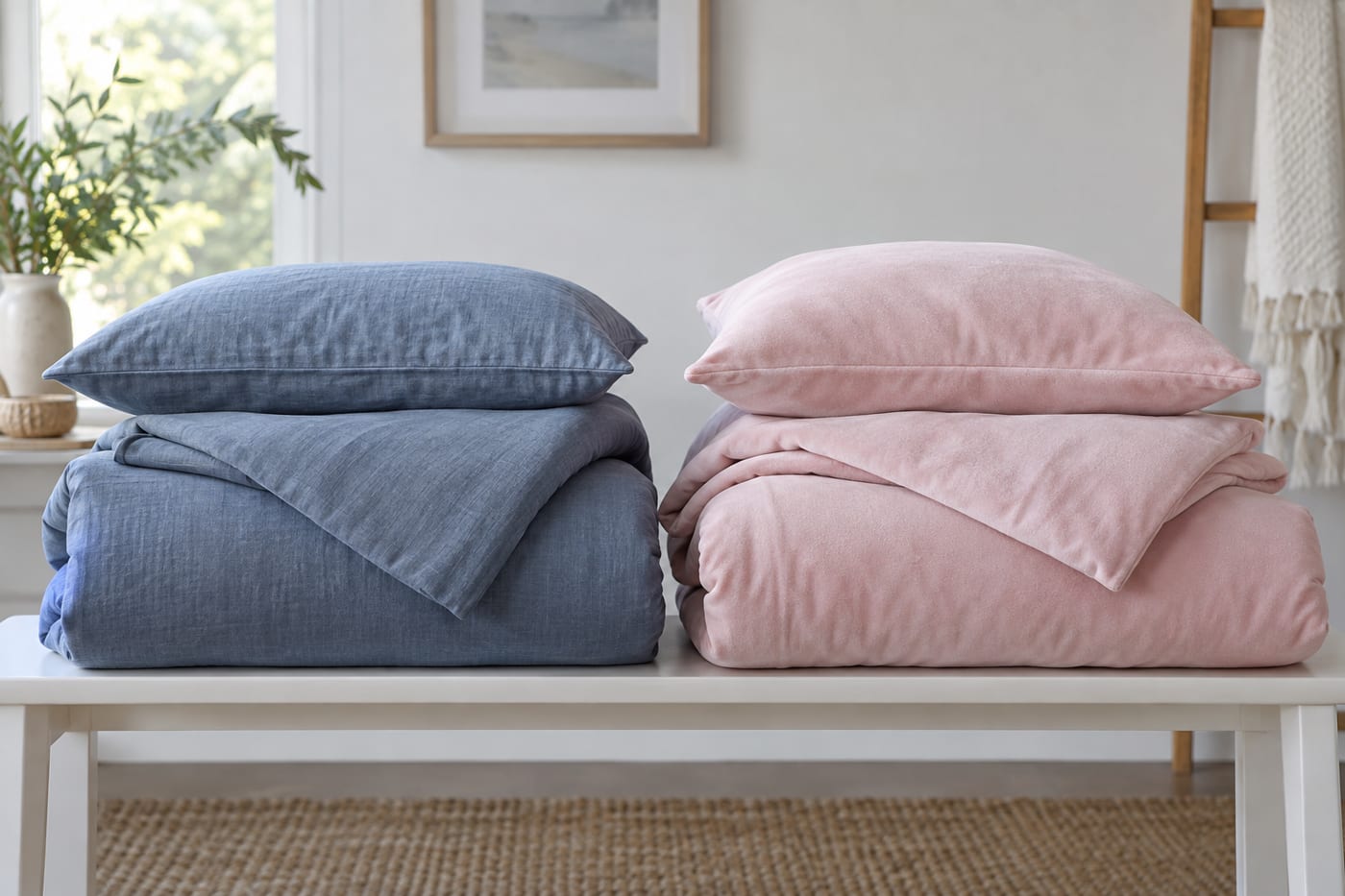
Cotton percale tends to a crisp touch and a matte look, and cotton sateen to a smoother touch. Microfiber may feel smooth or brushed. Try to distinguish between the initial feeling in the hand and the feeling of a whole layer of fabric on the body.
Those who get warm at night should also check the thickness of the blanket, the mattress protector and the ventilation in the room. There is no guarantee that every cotton will cool or every microfiber will warm; Product details are required for a useful comparison.
For more information on the subject: Cotton bedding: from plant fiber to finished sheets.
Washing, wrinkles and longevity
Synthetic fabric may offer less wrinkling and comfortable drying, and cotton may shrink or wrinkle depending on construction and handling. These are considerations for testing, not a reason to assume in advance that one product is better.
Read if a dryer is allowed and at what temperature. Check seams, elastic and appearance of balls after use. There is no uniform expiration date for bedding, and there is no basis for assuming that any cotton will last twice as long as any synthetic fiber.
Compare the price of similar products
Compare the same number of parts and the same dimensions. A cheap set with a small duvet cover or one pillowcase is not the same as a wider set. Also check whether the cost of the care fits your routine.
Do not compare thread count of one product to fabric weight of another product as if it were the same measure. If the specification is difficult to understand, ask for an explanation before buying; It is better to choose according to clear data and a preferred touch.
A comparison that starts in the same bed
To choose between two sets, make sure both fit the same mattress and both include the parts you need. A smaller microfiber set or a cotton sheet without a duvet cover is not a basis for comparing the price of full sets. Next to the price, write down the composition of the fabric, the measurements, the closures and the drying instructions.
If you can give examples, compare them at the same time. Remembering fabric from another store is not always accurate, especially when one set was washed and the other came straight from the package. Don't try to decide based on hand weight alone: light fabric is not necessarily weak, and heavy fabric is not necessarily more comfortable. Look for the product that is suitable for your use, not a winner for every situation.
How do you decide when the price and the feeling pull in different directions?
It is possible to define in advance two requirements that are not subject to compromise, for example compatibility with the mattress and the possibility of machine drying. After that, the feeling and the price are compared only between products that meet the requirements. This way, you don't choose a cheap set that requires care that you can't perform, or an expensive set that lacks the appropriate depth for a sheet.
A guest bed that is rarely used may have different considerations than a bed that is used every night. It's still important that the item is comfortable and easy to maintain, but there's no reason to buy multiple sets before you've tried one. In case of doubt, a single sheet can be a measured start, provided that the terms of purchase and return are clear to you.
A practical comparison before choosing
| mode of use | The main consideration | What to compare the two fabrics |
|---|---|---|
| Everyday bed | Comfort returns | The contact after care according to the label |
| guest bed | storage and exchange | measure and practical care |
| Regular use of the dryer | Adaptation to the device | Explicit drying instructions |
| Limited budget | Necessary parts only | Cost of parallel kits |
Frequently asked questions
Is cotton always more expensive?
The price also depends on the dimensions, the weaving, the finish and the brand. Do not assume the difference without comparing offers for similar products.
Does microfiber necessarily slip more?
There are products with different textures and finishes. Use the product itself and check how the sheet sits on the mattress.
How do you know if the transition alone is successful?
Check whether the need you defined has improved: the touch, the adjustment or the maintenance. Do not change all the layers of the bed at the same time if you want to understand what affected it.
Sources and scope
Source check: September 15, 2026. The information was checked against the sources listed here. The selection tips are designed to help you compare; They are not based on product tests we conducted ourselves.
By MyViro.
The content explains textile characteristics and is not the result of a product test in a laboratory. How we prepare our guides
Based on content from the MyViro archive, edited and revised in September 2026.