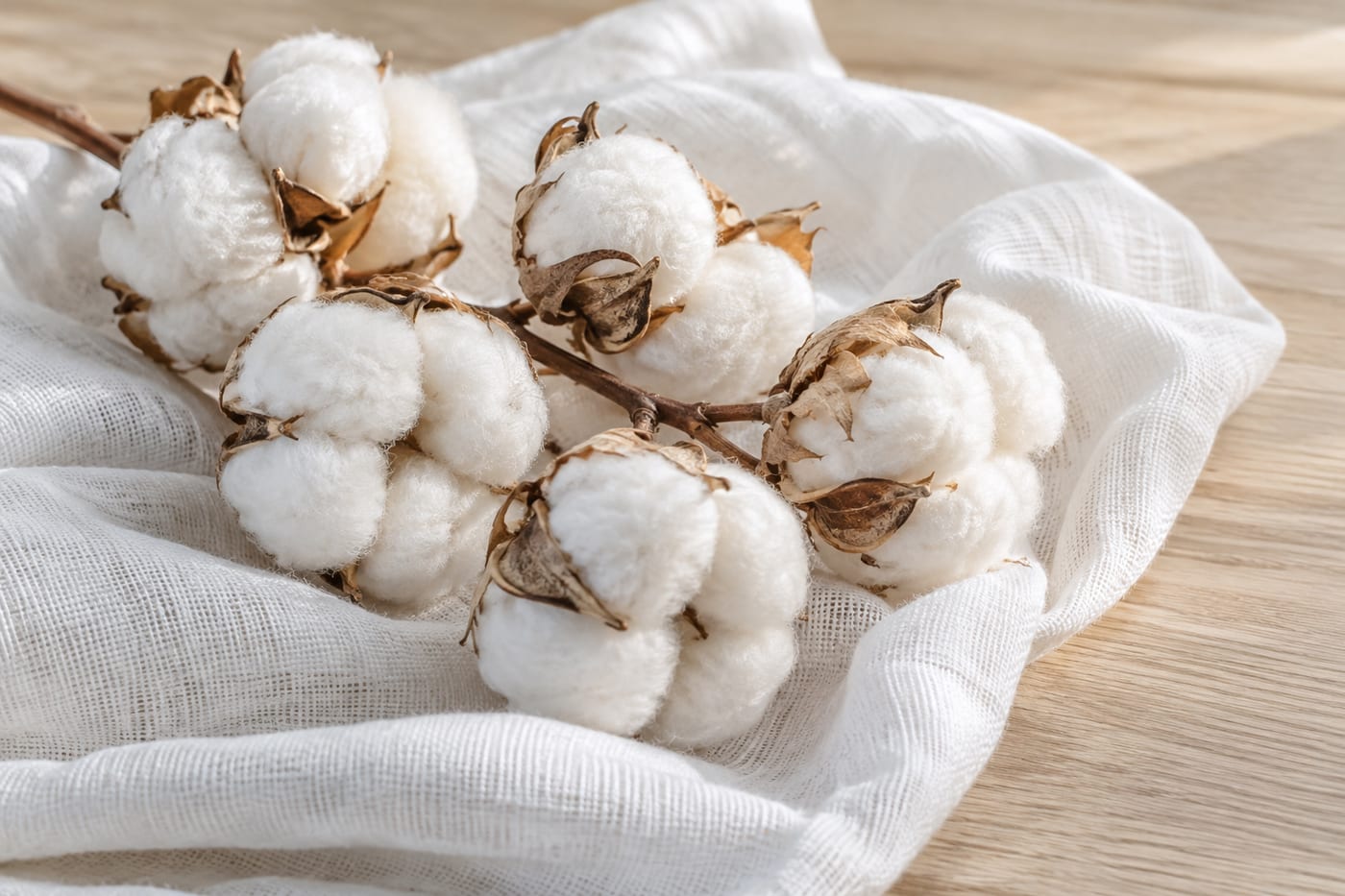
How cotton becomes felt
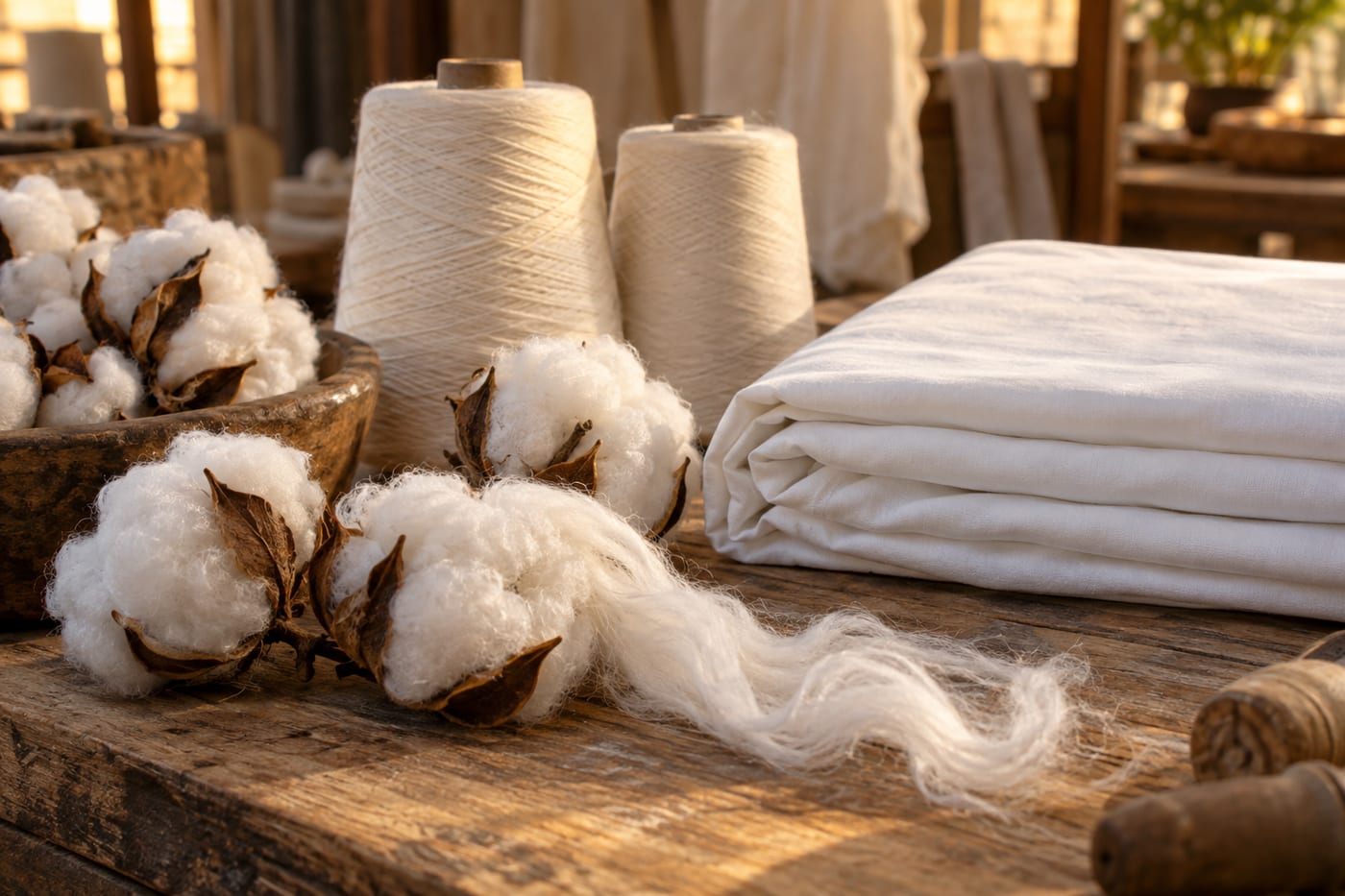
The cotton fibers grow around the seeds of the plant. After harvesting, the fibers are separated from the seeds, cleaned and sorted. In the spinning process, the fibers are connected to the threads; The threads are then woven or knitted alone.
The fabric undergoes preparation and finishing operations according to the product: cleaning, dyeing or printing, and sometimes treatments that change the touch and the tendency to shrink. When finished, cut and sew the parts of the set. Two products made from the same fiber can feel different because of any of these steps.
What does combed cotton mean?
Combing is another step that helps to remove short fibers and arrange the fibers before spinning. It may allow for a more uniform and smoother yarn, but does not alone guarantee that the set will be durable or comfortable. Fiber length, thread strength and finish continue to influence.
"100% cotton" also describes the composition only. It does not indicate the length of the fibers, the thickness of the fabric or the quality of the stitching. To understand the product, you need to add this figure to the type of weaving and the care instructions.
For more information on the subject: Egyptian cotton: what is behind the label?.
Who can it suit?
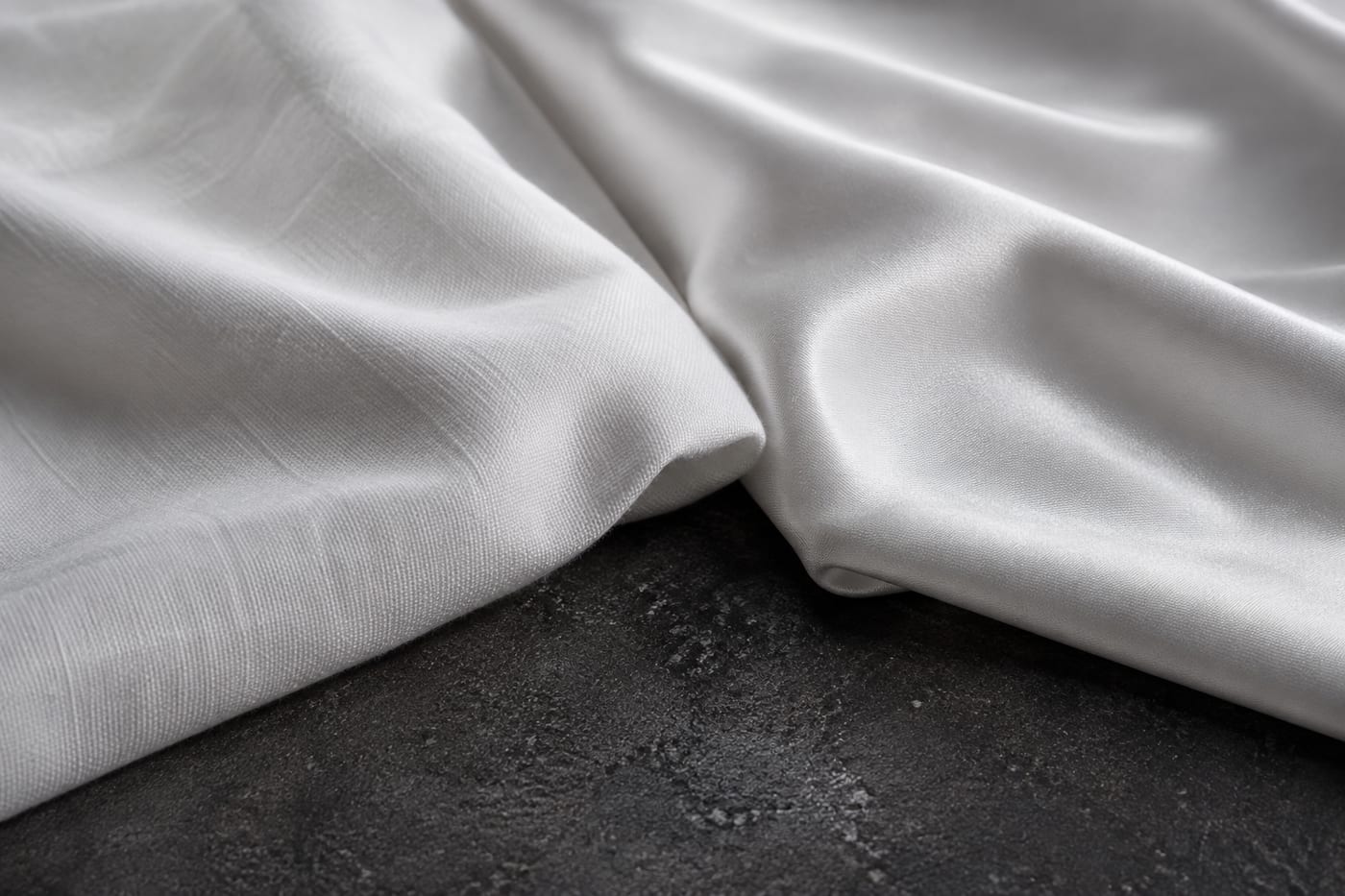
Cotton is common in bedding thanks to its absorbency and the selection of weaves, which allows you to choose between a smooth touch and a slightly stiffer touch. Cotton sheets in percale weave feel different from cotton sateen, so it is better to choose according to the complete product.
The practical side is that cotton may wrinkle and shrink, especially when the care is not according to the label. Those who prefer a smooth look without ironing should take this into account and not interpret every wrinkle as a defect.
What to check on the label
Look for the composition in percentages, full dimensions and drying instructions. Check if the weaving description matches what is shown. If Egyptian cotton or long fiber cotton is specified, ask what verifies the claim.
At home, start washing according to the instructions and avoid excess heat. Don't judge by the pre-wash feel alone: temporary finishes can change after the first use.
What to check before buying cotton bedding
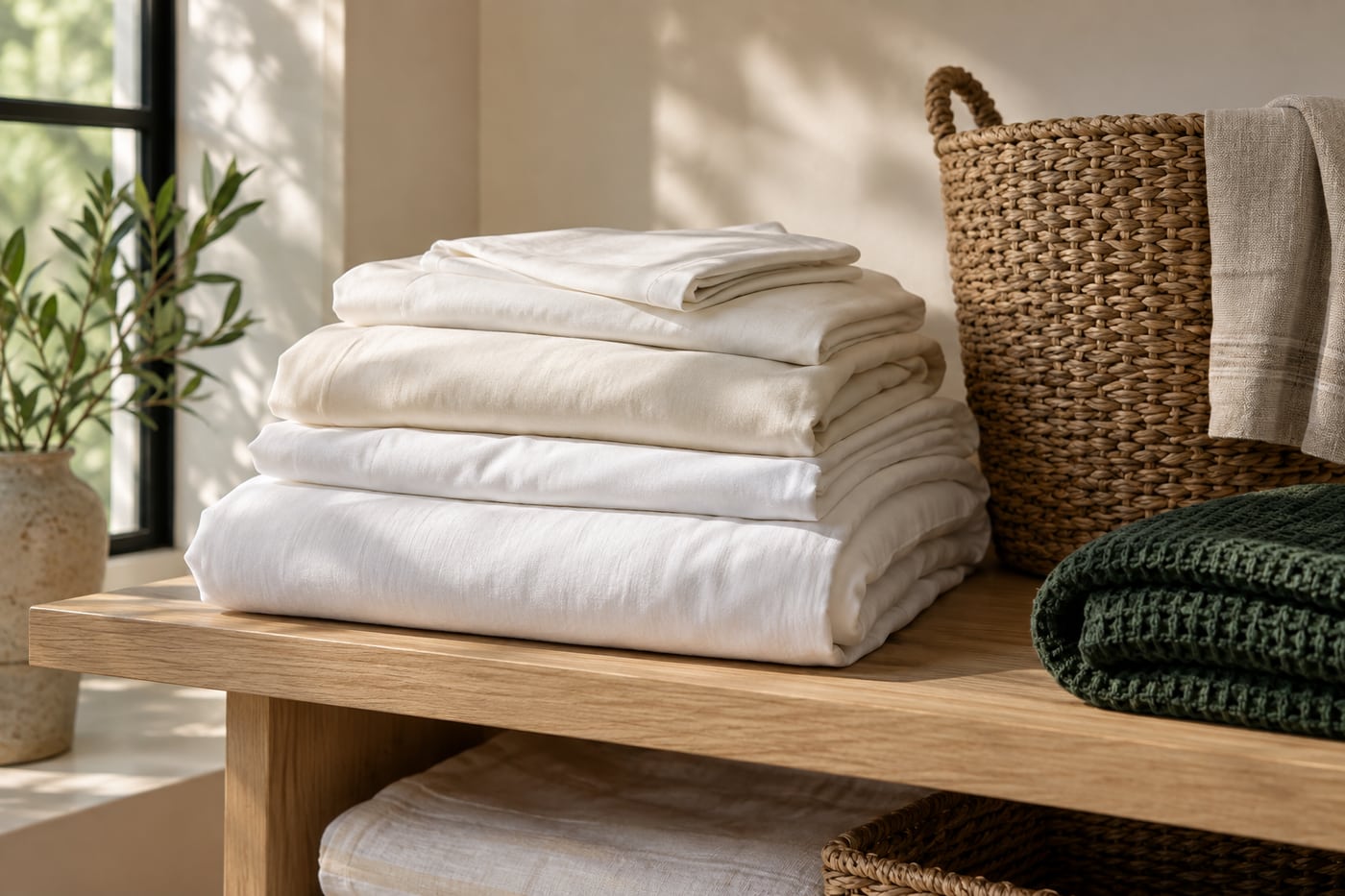
The clear composition, preferred touch and comfortable care routine are still a good basis for choosing. You should check the quality of the seams, the elastic and the finish, and keep the label for additional washings.
100% cotton does not mean 100% organic cotton, and does not guarantee suitability for any allergy or twice the lifespan of synthetic fabric. Cotton can wrinkle and shrink depending on the product and care.
What happens between weaving and sewing
The fabric that comes out of the loom is not necessarily ready for contact with the skin. The preparation steps can remove residues from the manufacturing process and prepare the fabric for dyeing or printing. Different finishes are aimed at the look, the feel and the stability of the dimensions. Therefore a comparison of fiber and weaving alone still leaves part of the picture missing.
Mercerization, when done, is a treatment of cotton that can change luster and color absorption. It is not synonymous with satin: the former is a processing operation, and the latter is a weaving structure. The phrase "pre-washed" also describes a treatment stage and not a type of cotton.
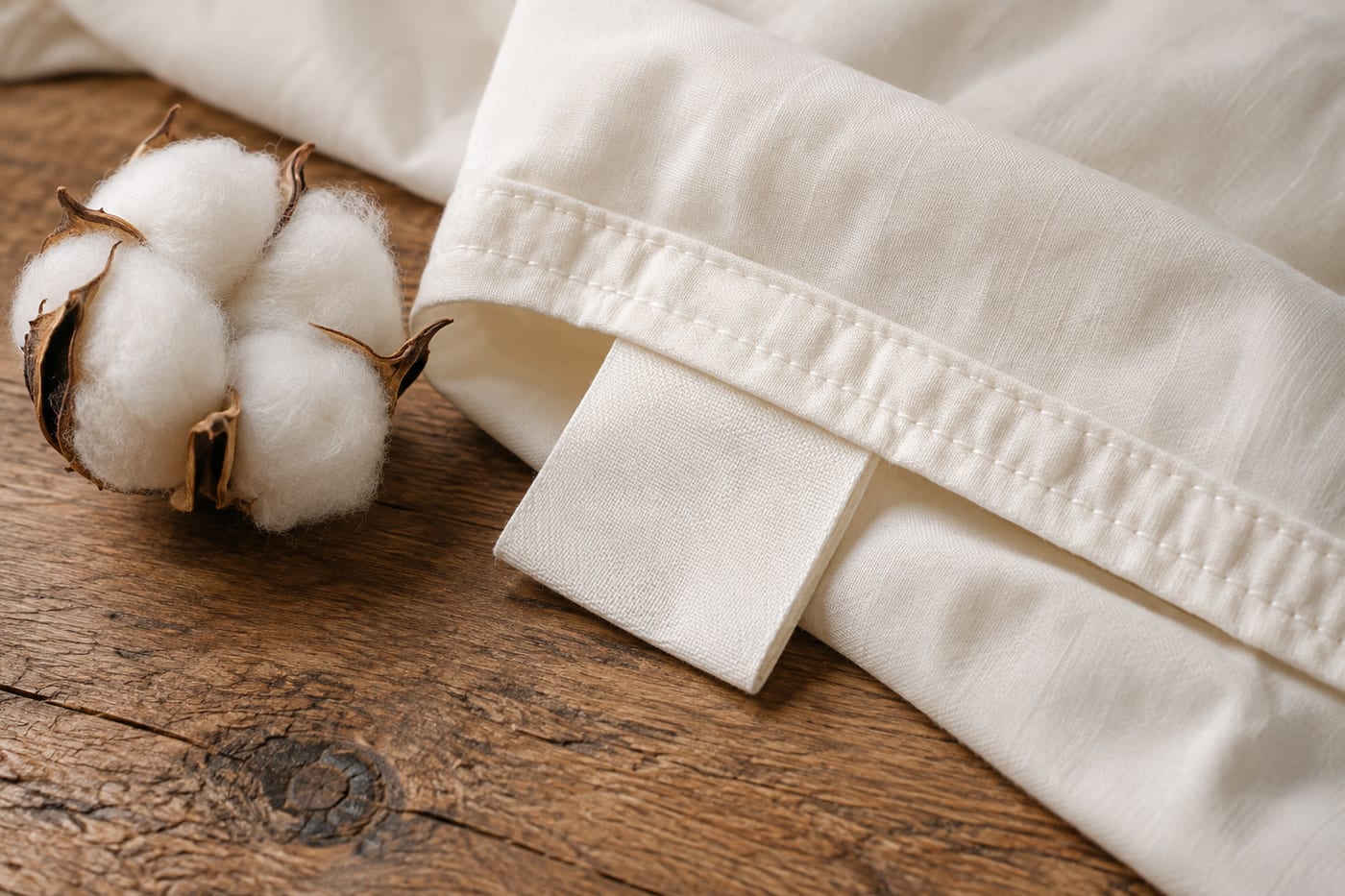
During the sewing phase, it is important to check corner reinforcement, edge closure and seam uniformity. Gently pull the fabric on both sides of the seam without applying force: the seam should not open to a noticeable gap in normal use. Check that the elastic and the openings are comfortable for you, and not only that the fabric itself is comfortable.
What can you learn from a cotton set you already liked?
If you have a sheet that you like to return to, take a picture of the label and check the weave and fiber composition before it wears out. The words full cotton are a start, but percale, satin and jersey knit can feel very different. Similar to the favorite set, look for the flexibility, the shine and the way it falls.
When there is no label, you can describe to the seller what you like: crisp touch, smooth fabric, light weight or a little stretch. This description can help find a close example, but does not definitively identify the manufacturing process of the old set. You should compare samples before ordering several sets.
How do you distinguish between a contact change and a fit problem?
After the first wash, check two things separately: how the fabric feels and how it fits the bed. A change in softness is different from a sheet that no longer reaches beneath the corners. Measure again if the fit has changed. If the feel has changed, check the laundry products and cycle you used.
Keep the original specifications so you can describe any change clearly. Do not automatically raise the wash temperature or add fabric softener to correct every change in feel. Care that conflicts with the label can create another problem.
A practical comparison before choosing
| Information about the cotton | What does it help to understand? | what else is needed |
|---|---|---|
| 100% cotton | The composition of the fibers | Weaving and finishing |
| combed cotton | step in the preparation of the fibers | The specification of the thread and the fabric |
| pre-washed | Pre-sale care | care instructions and measure |
| name of geographical origin | statement of origin | information that allows it to be verified |
Frequently asked questions
Does full cotton have to be percale?
No. Cotton can be used in various weavings and knits. Also check the structure of the fabric.
Does cotton wrinkle and therefore not of good quality?
Wrinkles alone are not an indication of quality. They are also affected by construction, finish and handling.
Is it possible to choose cotton without knowing the thread count?
Yes. Composition, weave, gauge, sewing and care provide useful information even when no thread count is published.
Sources and scope
Source check: September 15, 2026. The information was checked against the sources listed here. The selection tips are designed to help you compare; They are not based on product tests we conducted ourselves.
By MyViro.
The content explains textile characteristics and is not the result of a product test in a laboratory. How we prepare our guides