Two fibers in the same fabric
Polycotton is a blend of cotton and polyester. The fibers can be integrated into the threads or the fabric structure according to the production process. The ratio between them should appear in percentages; The polycotene name alone does not reveal how much of each substance is in the product.
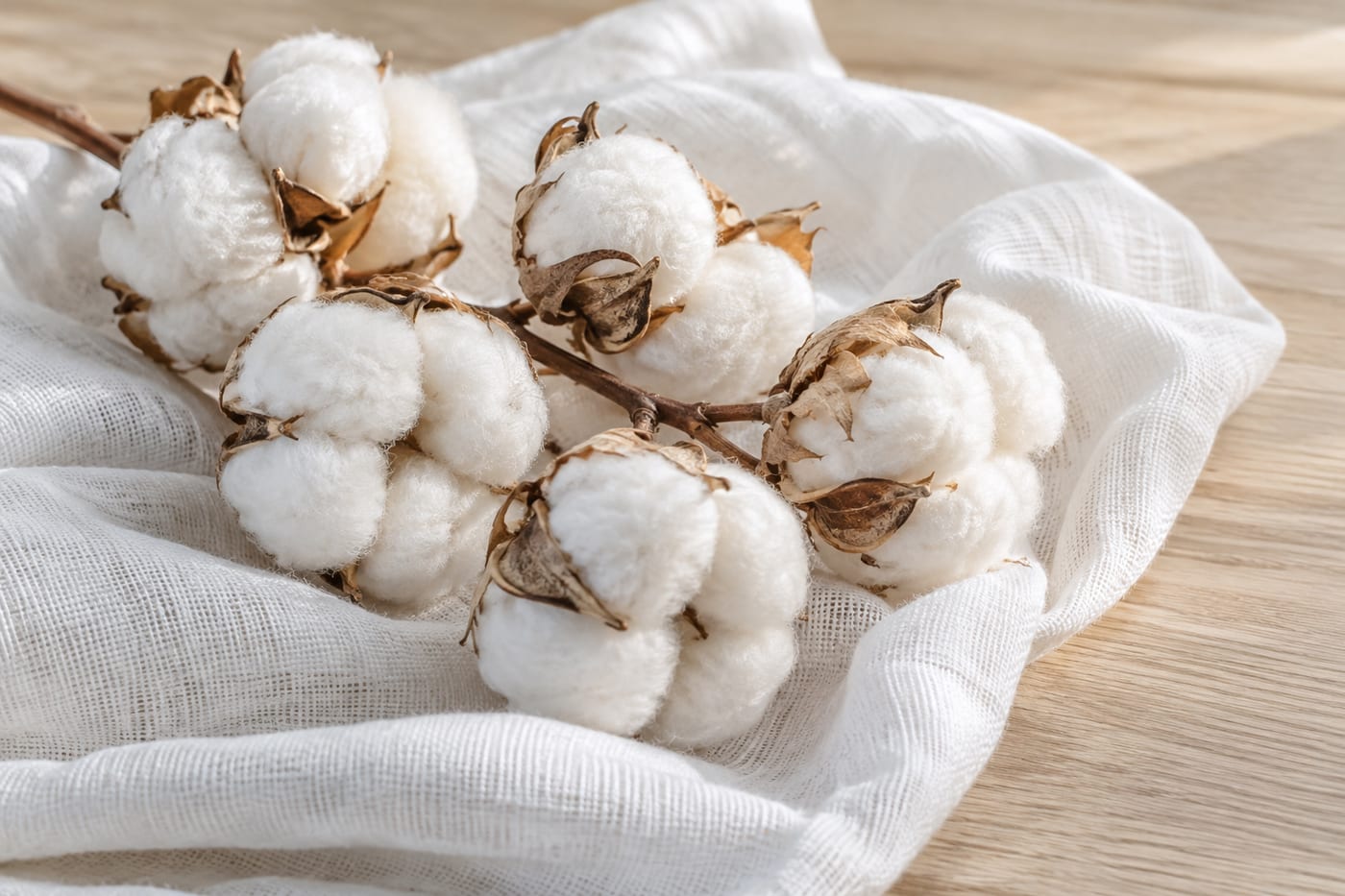
Cotton is a plant fiber, and polyester is a synthetic fiber. Blending allows the manufacturer to direct the product to a combination of properties, but the result also depends on the yarn thickness, weave and finish.
Why are mixtures used?
Some products incorporate polyester to change the wrinkle, durability or drying time. These are characteristics that need to be tested in the particular product, and not promises that are valid for every mixture.
Those who wash often and prefer a simple care may find the mixture a convenient choice. Those who especially like the touch of pure cotton should compare the feel before choosing.
For more information on the subject: Cotton bedding: from plant fiber to finished sheets.
How to compare fairly
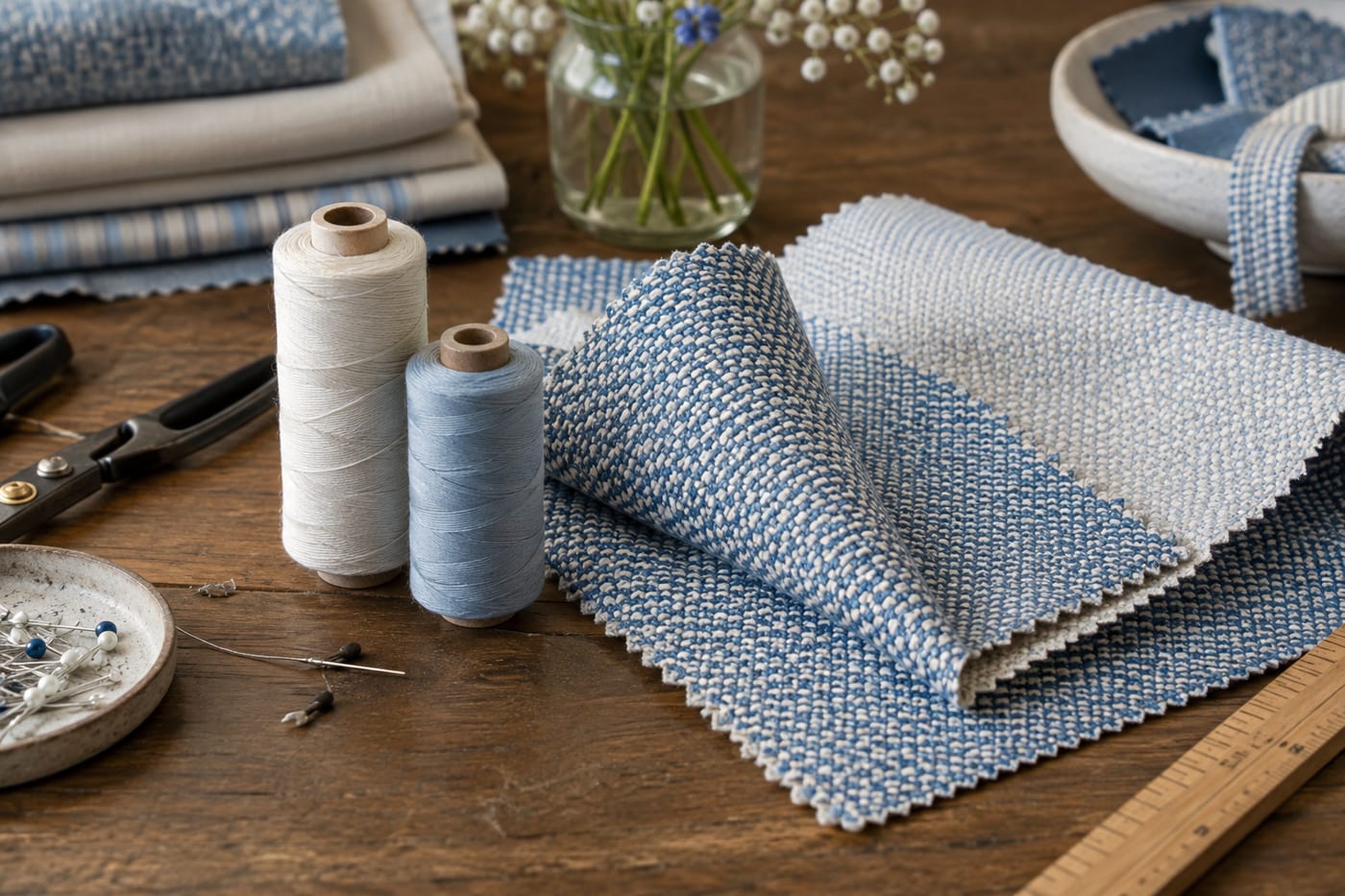
Compare products of similar weight and weave as much as possible. The difference between light percale and dense satin is not only due to the composition of the fibers. Brushing or a wrinkle reduction care can also change the touch.
Do not infer from the phrase "touch of cotton" that the fabric contains cotton. Only the detail of the composition provides an answer. Also microfiber is not part of the composition and does not explain by itself what the fabric is made of.
One label for the entire product
Handle the mixture according to the label of the complete set, and not according to general instructions for one of the fibers. A heat that is allowed for a certain cotton product is not necessarily suitable for another blend.
Before buying, write down the composition, measurements, weaving and drying method. These four figures allow a better comparison than a series name like "Hotel" or "Premium".
How to read a mixture of 50/50 vs. 80/20?
The order in which the percentages are presented is important. A label of 80% cotton and 20% polyester describes a different product than a label of 80% polyester and 20% cotton. Don't settle for the series name or the word cotton in the title. If the lineup is only written at the bottom of the product page, save that as well before ordering.
The percentages allow you to know what is in the fabric, but are not a formula that calculates softness, cooling or number of years of use. Even two 50/50 mixes may differ in thickness and texture. When choosing between two sets, you should compare the same components: a sheet against a sheet and a duvet cover against a duvet cover, and not a pattern of brushed fabric against smooth fabric that was chosen for photography.
For whom the care routine can decide the choice?
In a home where the linens go through a lot of washing cycles, start by asking what operations you can actually perform. If there is no room for a large layout in the winter, check that it is allowed to use a dryer. If there is no desire to iron, look at a picture of a product that is not particularly stretched, or ask for a sample after washing. A general promise of easy care is not a specification of use.
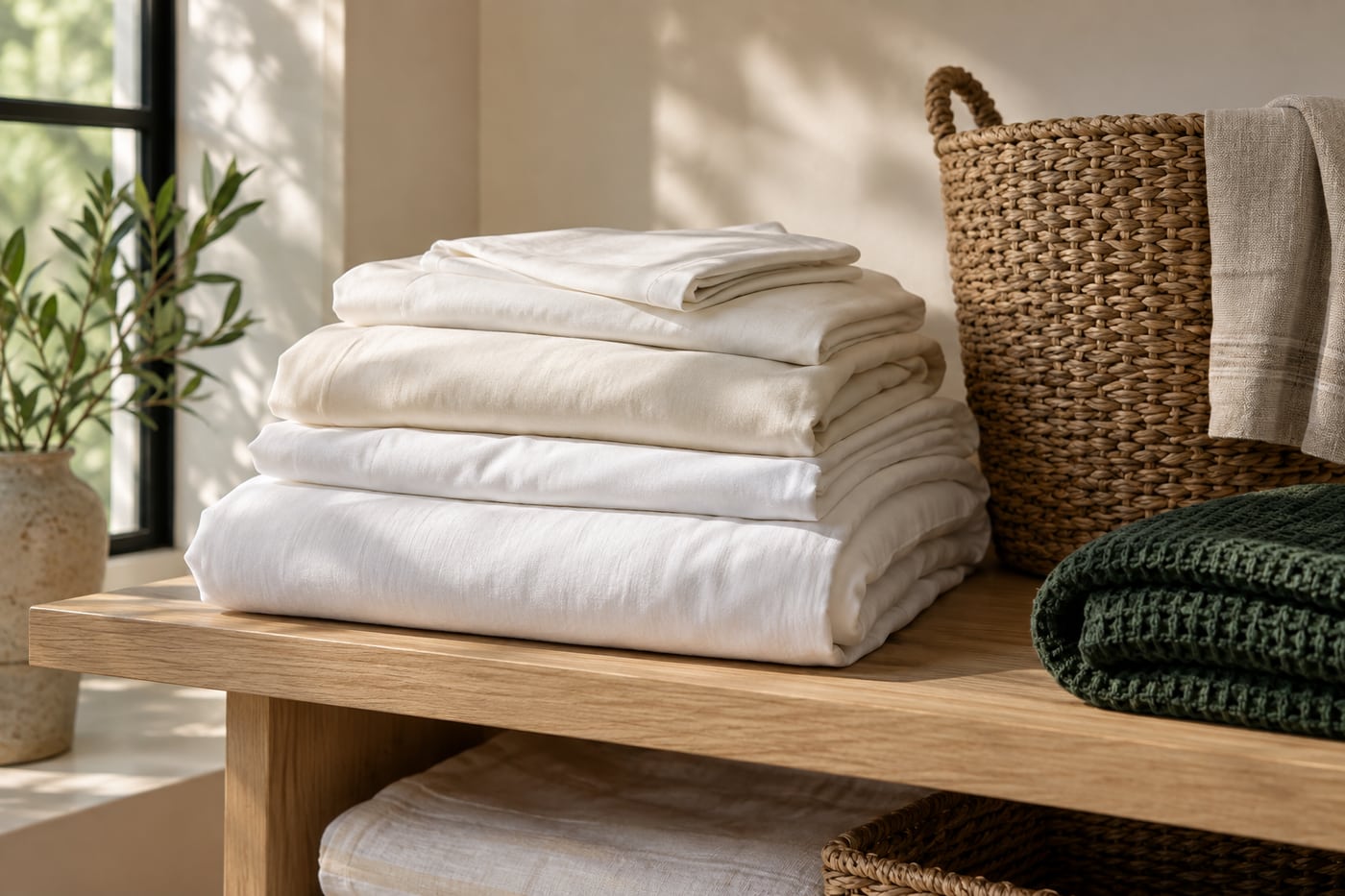
Start with one sheet on a bed you use regularly. After washing it according to the label, check the corner fit, feel and ease of folding. You do not need to replace your entire linen cupboard to try a new fiber blend. If the blend suits your preferences and care routine, combining two fibers is not, in itself, a reason to reject it.
How do you compare price when one set is missing a part?
In an imaginary example, one set costs NIS 180 and includes a sheet, a duvet cover and two pillowcases. Another set costs NIS 150, but includes only one pillowcase; An additional matching pillowcase costs NIS 40. For a bed with two pillows, the price for comparison is 180 versus 190 NIS, before shipping. The name of the fabric alone does not reveal which purchase is cheaper for your need.
After comparing the contents of the set, check the composition of each item. A mixture shown in the title may not describe all the parts. Then check if the measurements and care are appropriate. There is no recommendation here for a specific fiber ratio: the goal is to compare two options that fulfill the same task, and only then decide how much contact and maintenance are worth to you.
A practical comparison before choosing
| Inscription in the specification | What does it provide? | What does it not provide? |
|---|---|---|
| Percentages of cotton and polyester | Clearly stated fiber content | Guaranteed feeling |
| Easy to iron | Description to be ascertained | Free from any wrinkle |
| Sateen in a fiber blend | Information on weaving and composition | Silk proof |
| Machine drying is allowed | Defined care option | Permission for any heat and program |
Frequently asked questions
Is polycotene microfiber?
These are not synonyms. Polycotene describes a mixture of fibers; Microfiber refers to the minutes of the fiber and does not indicate the percentage of the composition alone.
What is the best cotton and polyester ratio?
There is no one-size-fits-all attitude. Choose according to the finished product, the touch and the maintenance, and not according to a general rating of percentages.
Can the mixture shrink?
It should not be concluded that it is immune to changing dimensions. Check the label and the manufacturer's statement on the particular product and measure in case of change respectively.
Sources and scope
Source check: September 15, 2026. The information was checked against the sources listed here. The selection tips are designed to help you compare; They are not based on product tests we conducted ourselves.
By MyViro.
The content explains textile characteristics and is not the result of a product test in a laboratory. How we prepare our guides