The difference is in the connection of the wires
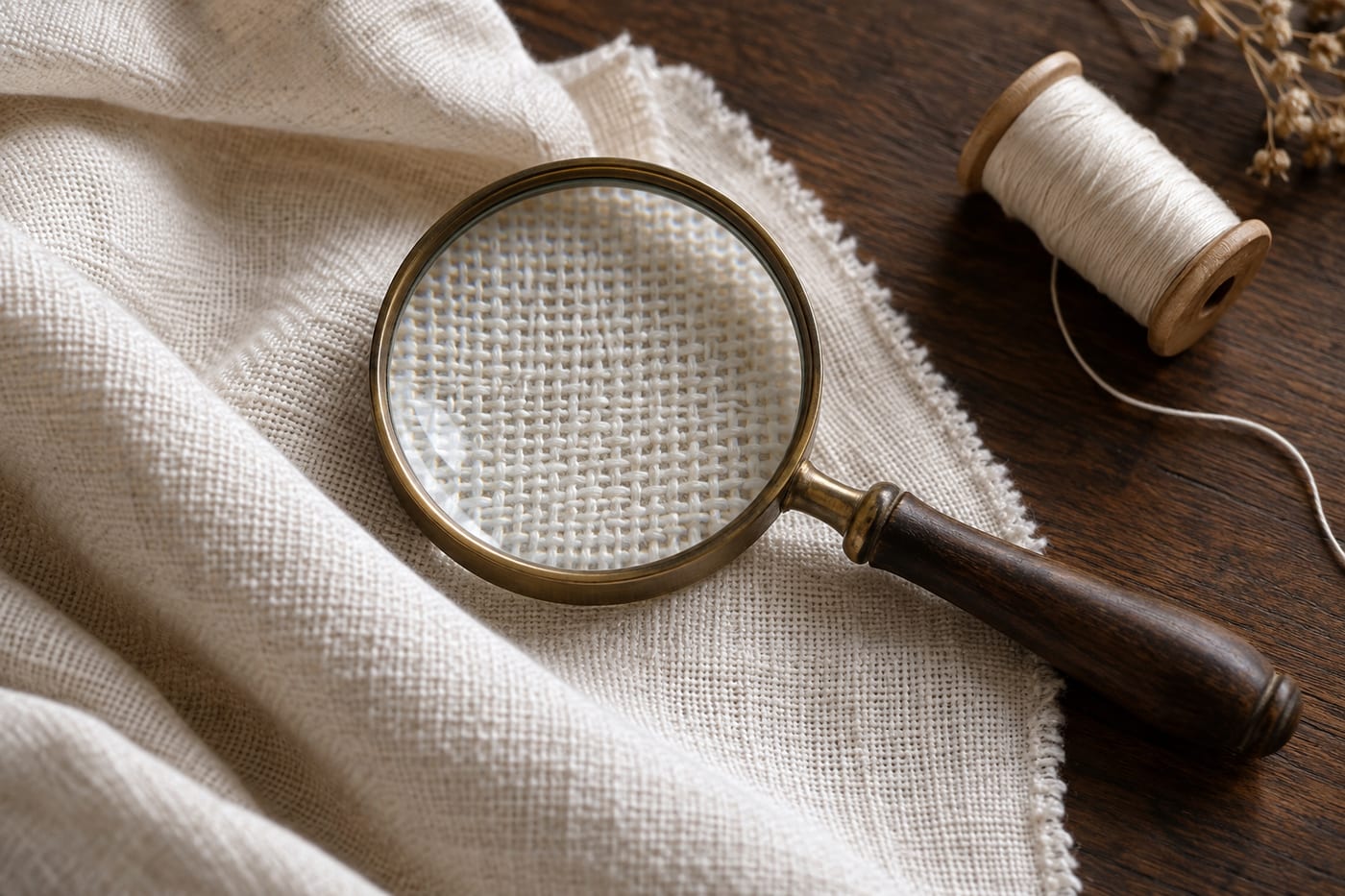
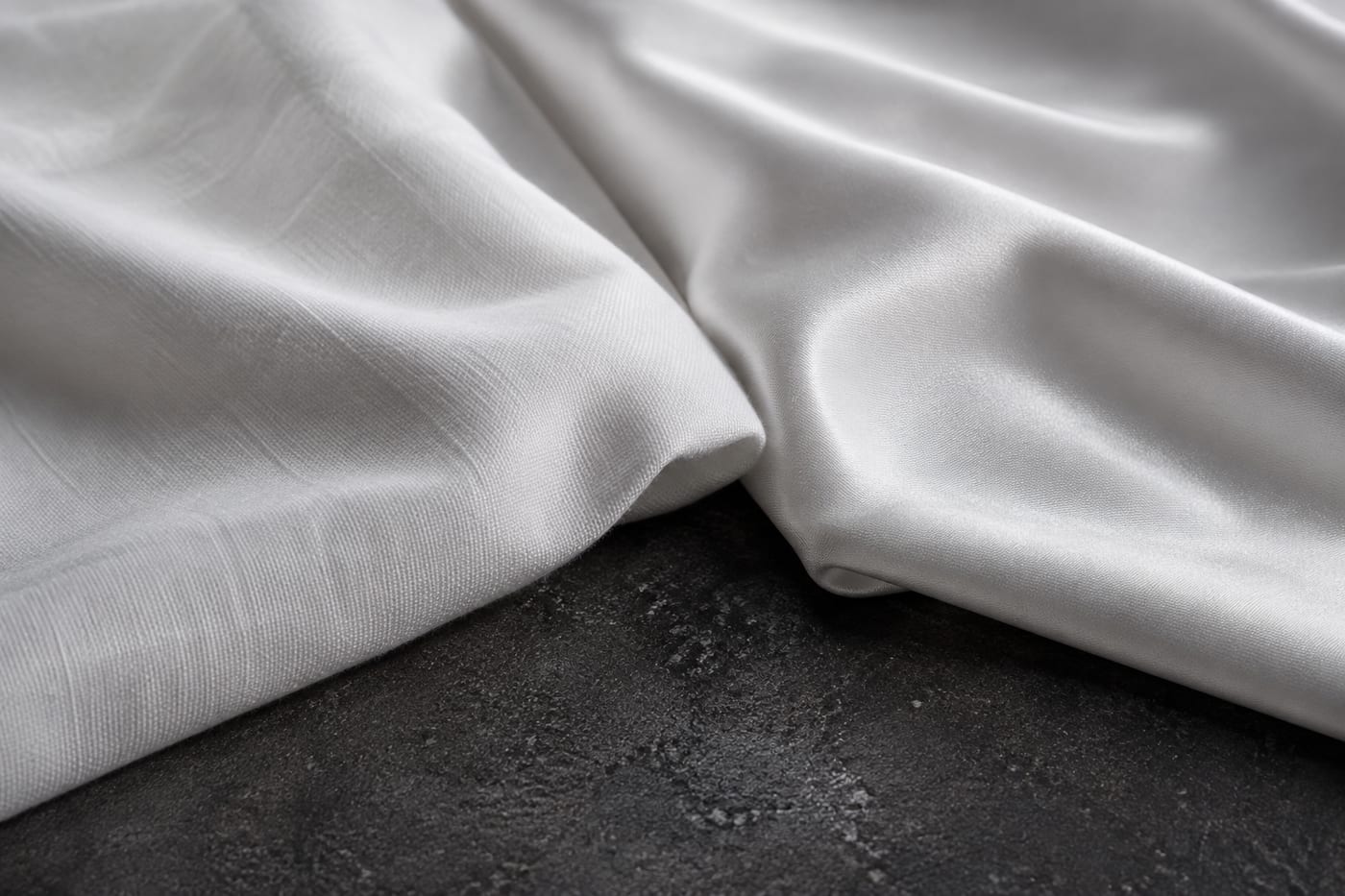
In percale, warp and weft threads interlace in a simple over-and-under pattern. In sateen, longer sections of thread lie across the fabric surface. This changes how the fabric reflects light and feels.
It is important to distinguish between cotton sateen and satin made of polyester or silk. The word satin refers to the structure of the weave; The composition of the fibers should appear separately.
How it feels in use
percale tends to have a matte look and a crisp touch. cotton sateen tends to have a subtle sheen, smoothness and a more flowing fall. These are general descriptions: the thickness of the threads, the density of the weaving and the finish can greatly change the result.
Do not conclude that percale is always cool or that sateen is always warm. Even a thick blanket, a sealed mattress protector or a warm room can overcome the differences between the two sheets.
For more information on the subject: Thread count: is 500 always better than 300?.
How to choose between them
If you like a sheet with a bit of stiffness and a matte look, start by checking out percale. If you prefer a smoother surface with a little shine, check out cotton sateen. It is useful to feel two samples with a similar composition to feel the effect of the weaving.
Also ask about maintenance: a smooth surface can be caught by a fingernail or zipper. Washing with rough items is not a good way to test the durability of a fine weave.
What thread count does not teach
Two fabrics should not be compared only by the number of threads when the weaving structure and thread thickness are different. A denser fabric may be heavier, but not necessarily better for you.
Choose the combination that suits your sleeping and washing habits. For those who are undecided, one pillowcase or a fabric sample can be an economical way to get to know the touch before replacing the whole set.
How to compare weaves without mixing other differences?
You should start with two examples that the fabricator is known for, for example two fabrics declared as full cotton. If one contains a blend or brushed finish, the difference you'll feel isn't just due to the weave. Read the specifications of the two samples and pay attention to whether you are comparing washed or new products.
Spread the fabric instead of feeling only a folded corner. Check the side that touches the body, the way it falls and the contact near seams. If possible, fold and unfold the fabric gently to get an impression of its character, without expecting all the wrinkles to disappear. This is an impression to buy and not a method to determine numerical durability or quality.
There is no obligation to choose one weave for the whole house
You can prefer a percale sheet and a sateen pillowcase, or use different sets in different seasons according to your feeling. What is suitable for one bed in the house is not necessarily suitable for another. If your partner prefers a different touch near the face, you can start with different pillowcases without changing the entire bed.
For those who already have a favorite set, its label is a helpful starting point. Look for the composition and the weave instead of relying on a color name or series. When buying a new set, don't assume that the same weave name guarantees the same feel. If the requested treatment does not suit you, even a weave that is very pleasant at first contact may be an impractical choice for permanent use.
A simple way to separate the touch of the fabric from the heat of the bed
If you already have percale and sateen sheets at home that are suitable for the bed, you can compare their feeling at night with similar room conditions. Leave the same blanket and the same mattress protector, and change only the sheet. In the morning, write down briefly how the touch felt and if you were hot or cold. If the blanket, air conditioner temperature and pajamas are changed together, it is difficult to know which change the impression is related to.
This is a personal impression of two particular products, and not an experiment that proves what is true for every person or every fabric in the same weave. Don't buy several sets just to compare. You can start with what you already have at home, or with a sample that the store allows you to check. If there is no difference that interests you, adaptation to learning and ease of handling can be decisive.
A practical comparison before choosing
| consideration | Cotton percale | cotton sateen |
|---|---|---|
| Typical appearance | More matte | More subtle shine |
| Typical touch | Crisp and structured | Smooth and flowing |
| Test before buying | Weight, finish and stitching | Weight, finish and stitching |
| Choice by season | According to the product and the layers of the bed | According to the product and the layers of the bed |
Frequently asked questions
Is percale a type of cotton?
percale is a weave. It is possible to refer to cotton percale when it is indeed the composition of the fabric, but you should read the two details separately.
Is sateen always better for skin and hair?
Do not infer a medical or cosmetic result from the name of the weaving. You can prefer a smooth touch without treating it.
What to choose if I don't like slippery fabric?
Start by touching percale and fabrics with a more matte touch, but test each sample in practice. There is no need to insist on sateen just because of its prestigious name.
Sources and scope
Source check: September 15, 2026. The information was checked against the sources listed here. The selection tips are designed to help you compare; They are not based on product tests we conducted ourselves.
By MyViro.
The content explains textile characteristics and is not the result of a product test in a laboratory. How we prepare our guides