What do you count?
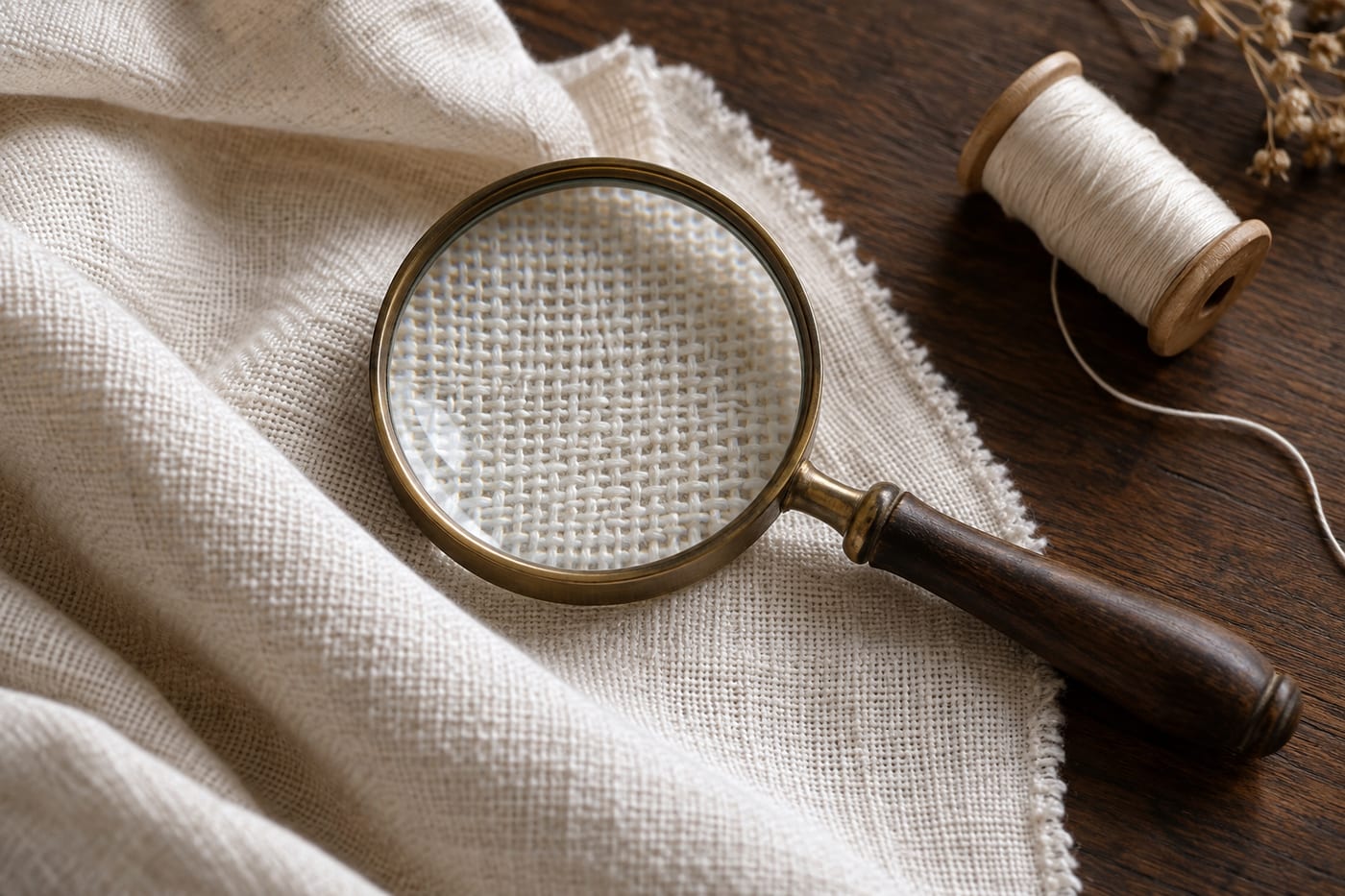
thread count describes the number of threads in both directions of weaving in a unit of area, usually a square inch. You should verify which unit and which counting method the manufacturer used before comparing.
The figure alone does not describe the thickness of the thread, the length of the fibers or the quality of the spinning. Different yarns can produce fabrics with the same count and a very different feel.
Why more is not necessarily more appropriate
Dense construction can affect the weight of the fabric, the fall and the passage of air. Those who like light and crisp fabric will not necessarily prefer the product with the highest number.
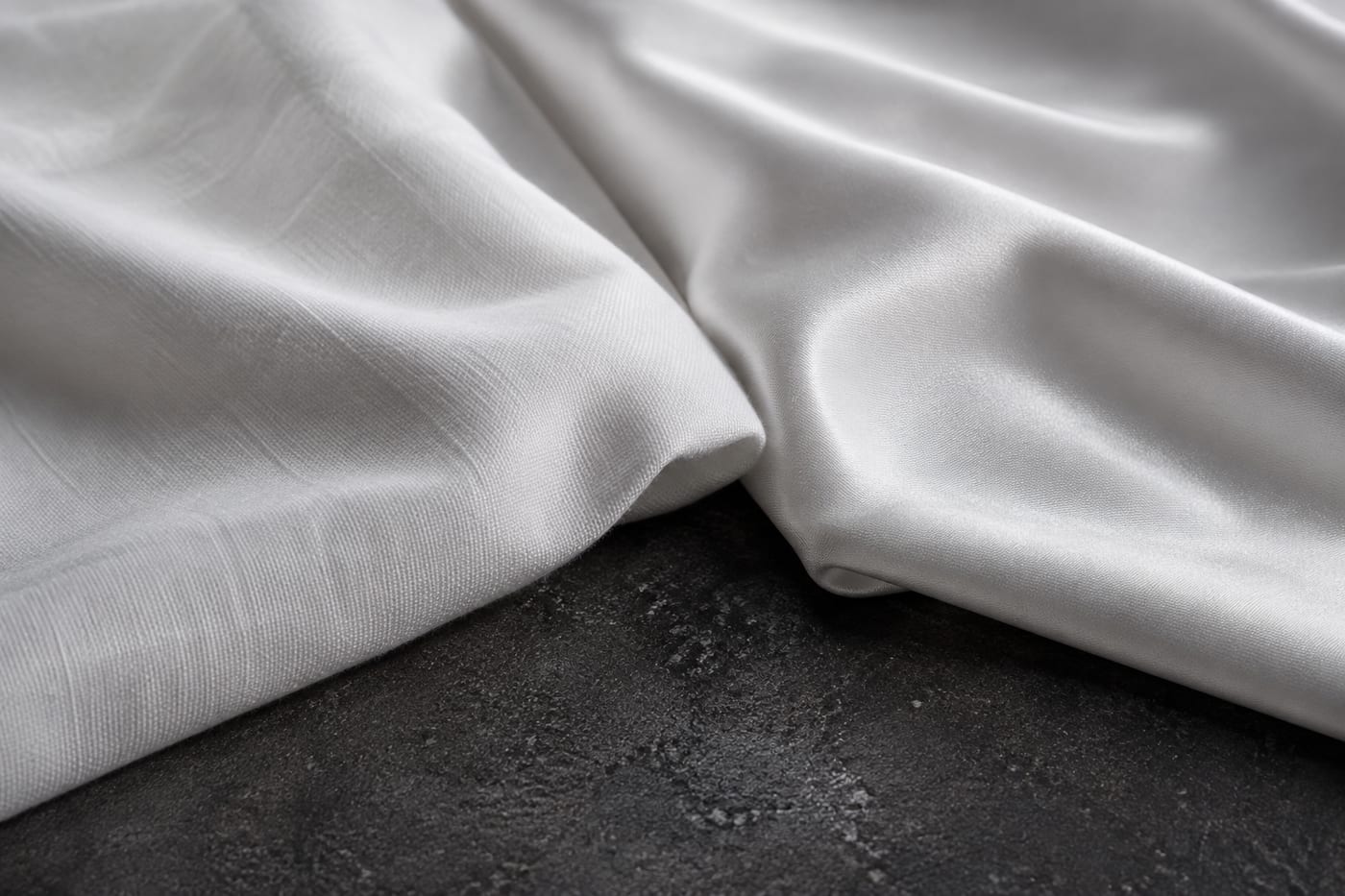
Even a comparison between different weaves is not free of other differences. Satin and percale use different structures, so it is important to understand what is behind the number.
For more information on the subject: Percale vs. cotton sateen: the same fiber, a different feel.
What to ask about Sateen 500
Check that the number refers to the thread count and not to the series name. Ask about the composition of the fibers, the weaving and the counting method. If there is no clear answer, do not treat the number as sufficient evidence of quality.
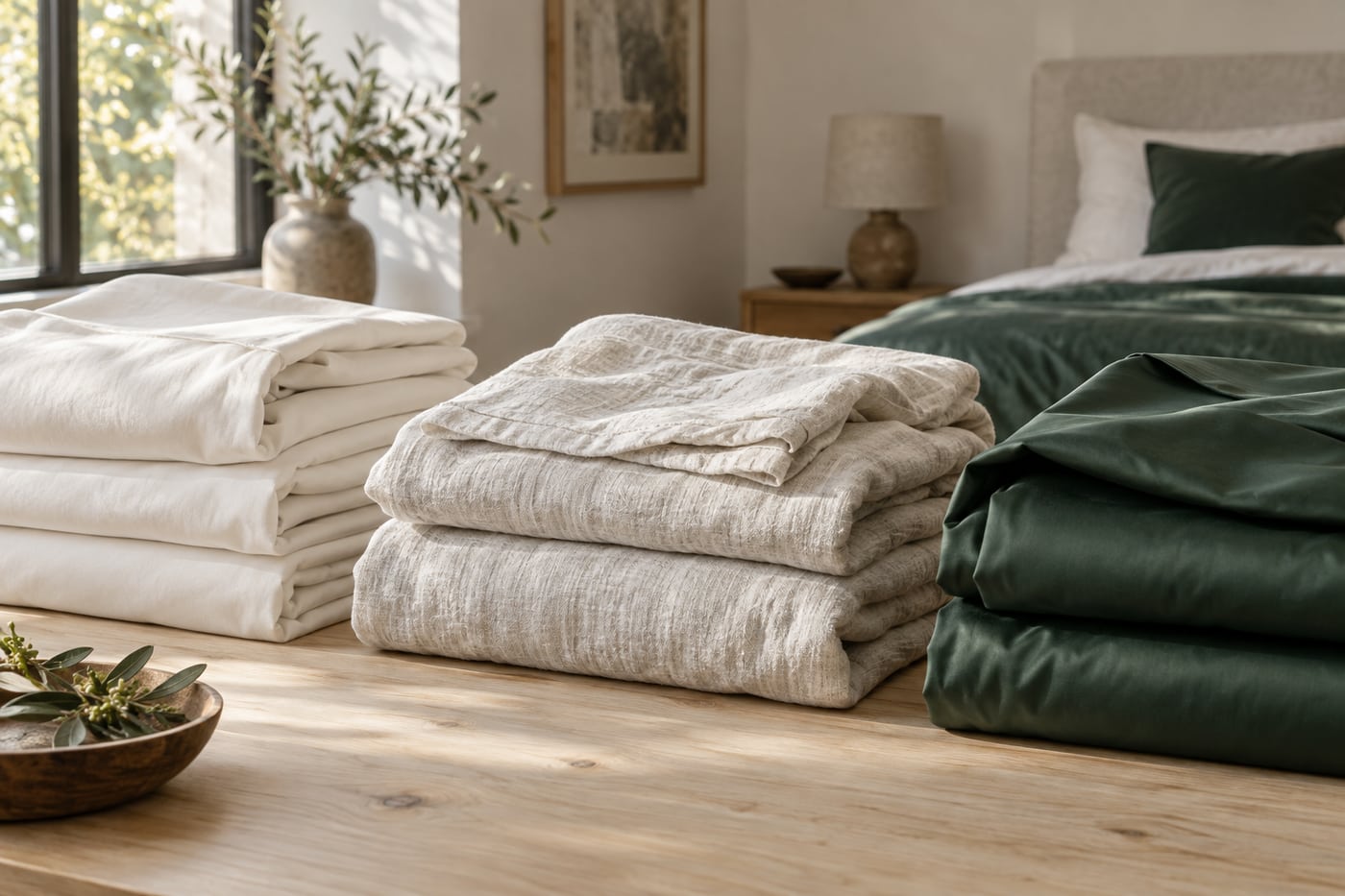
Add to the comparison the quality of the seam, the dimensions and the care. A set that feels great but doesn't fit your mattress or dryer isn't necessarily the best choice.
How do you actually choose?
Use an example as much as possible and look for clear specifications. Don't set an arbitrary numerical threshold without testing the fabric itself.
It is better to know what the product is, how it feels and how it is handled than chasing a number that does not tell the whole story.
multi-stranded thread and the number that appears in the publication
A thread can consist of several strands twisted together. If you show a count of strands instead of a count of the threads in the fabric structure, the marketing number may appear larger without the same ratio of weaving points being added. Therefore, the question "How do we count the number?" can be more useful than the question "What is the highest number?".
There is no need to automatically reject multi-strand yarn; It is important to understand what is being measured. Ask for an area unit and a clear counting method, especially when the number is unusual in relation to other products. If there is no figure that can be compared between the products, compare the other characteristics instead of inventing a numerical quality ratio.
thread count is also not a suitable index for any textile product. In jersey knits and fabrics where weight or finish is key, construction and weight specifications may be more helpful. There is no reliable conversion table that turns fabric weight into an index that determines fabric quality.
How do you use a number within a complete decision?
Open two offers and first write down the composition, weave and dimensions. Only when the products are really comparable, add the number of threads and the area unit. If one of the sets is made of knit and the other of fabric, there is no point in putting the numbers as if they measure the same feature.
Even between two fabrics, a higher number does not answer the question of whether you like the touch or whether it is allowed to dry in your machine. Treat it as a line in the specification, alongside other lines, and not as a summary of the entire production process.
What do you do when no counting method appears?
You can ask the seller for an area unit and an explanation if threads or strands are counted. If there is no answer, note to yourself that the figure does not allow a complete comparison. There is no need to supplement the information with a hypothesis or decide that the highest number is more reliable.
Instead, compare things you can check: seams, closure, sheet depth, composition and care instructions. Save the specifications of the selected product. If in the future you want to purchase a similar set, it will be more useful than remembering a single number on the package.
A practical comparison before choosing
| inspection | What should be clear | If the information is missing |
|---|---|---|
| area unit | Where the threads are counted | Do not compare numbers directly |
| Counting method | Threads vs Strands | ask for clarification |
| The structure of the fabric | Twill vs. Knit | Do not convert metrics by guessing |
| Adaptation to use | Measure, touch and care | check regardless of the number |
Frequently asked questions
300 threads are too few?
There is no such universal threshold for choosing bedding. You need to examine the product and the method of presenting the figure.
thread count means how much does the fabric weigh?
No. The thickness of the thread, the fiber and the structure also have an effect; There is no single conversion that is sufficient for all fabrics.
If the number is not published, should the set be rejected?
not necessarily. Many other useful features can be evaluated, as long as the description and specifications give you information to choose from.
Sources and scope
Source check: September 15, 2026. The information was checked against the sources listed here. The selection tips are designed to help you compare; They are not based on product tests we conducted ourselves.
By MyViro.
The content explains textile characteristics and is not the result of a product test in a laboratory. How we prepare our guides