Two fibers, many options
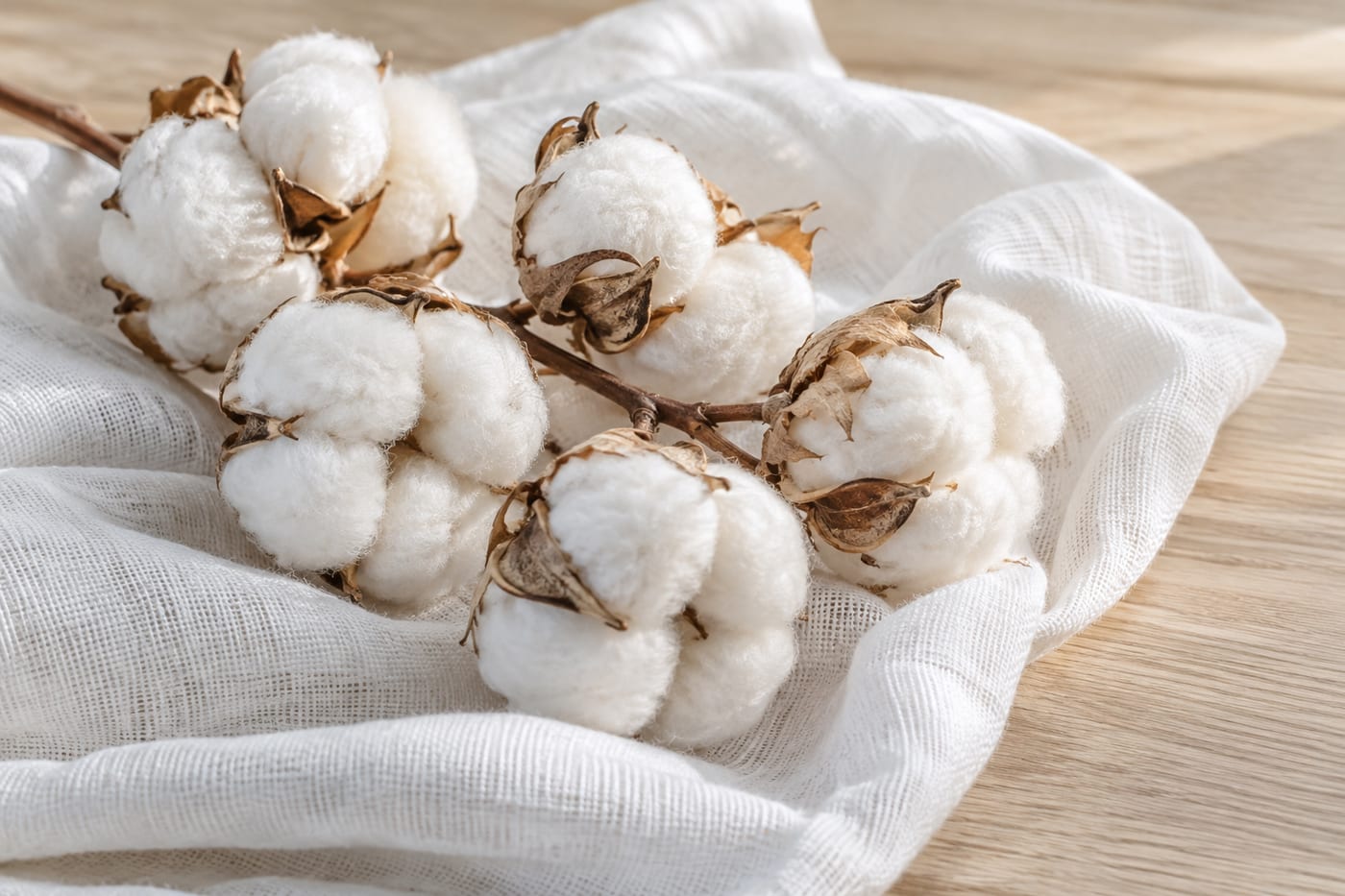
Cotton is produced from fibers that grow around the seeds of the plant, and linen from flax stem fibers. After the production of the fiber, spinning, weaving and finishing affect the product you will feel in your hand. Therefore, two samples of linen are not necessarily alike, nor is cotton a single feeling.
If a mixture appears, read the percentages. Linen and cotton together is a possibility in itself, and not necessarily an inferior version of pure fabric.
Texture and wrinkles: advantage or disadvantage?
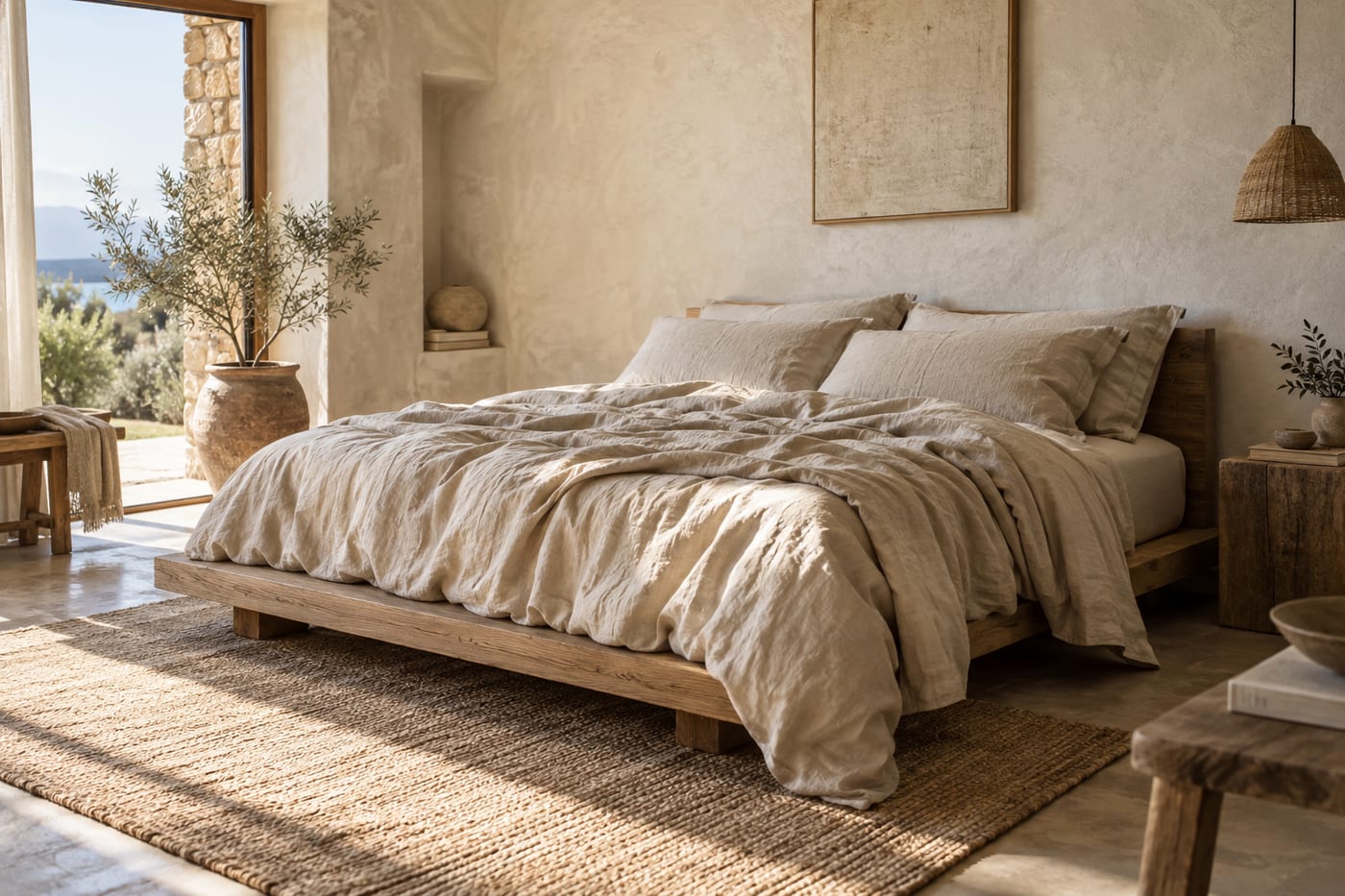
Linen may feel less uniform than smooth cotton sateen. If you like a relaxed look, wrinkles can be part of the design. If you prefer a tightly tucked, smooth bed, consider the bed-making involved.
Use an example without relying only on photography. A washed or softened finish can change the initial feeling. Also check the seams: a frayed thread or a tear is not a "natural texture".
For more information on the subject: Linen bedding: texture, creases and everyday care.
How do you choose for summer without guaranteeing cooling?
Compare weight, structure and touch, and think which blanket will be inside the duvet cover. A fabric that looks light in the picture is not necessarily light in practice. If the manufacturer publishes a fabric weight, it can be used to describe the product, but not as a measure that determines what is comfortable for everyone.
In a warm house with a thick blanket, changing only the sheet may leave the same problem. Define in advance what you want to change: less weight, less feeling of wrap or other touch.
A little experience before a full set
You can start with a pillowcase or a sheet provided the size is suitable, and examine the touch and handling throughout use. Check the return conditions in advance; Washing may change them. There is no need to throw away good bedding to try a new material.
Take a picture of the product label and save the specifications. When completing another part, also compare shade and weave, because two items with the same color name are not necessarily the same.
We are also looking at the arrangement in the morning
Ask yourself how you would like the bed to look on a normal day, when there is no time to invest in arranging. If a loose look and natural fall are pleasing to you, the texture may fit into your routine. If you like taut lines and sharp folds, check what care and arrangement will be required to achieve them in the fabric of your choice.
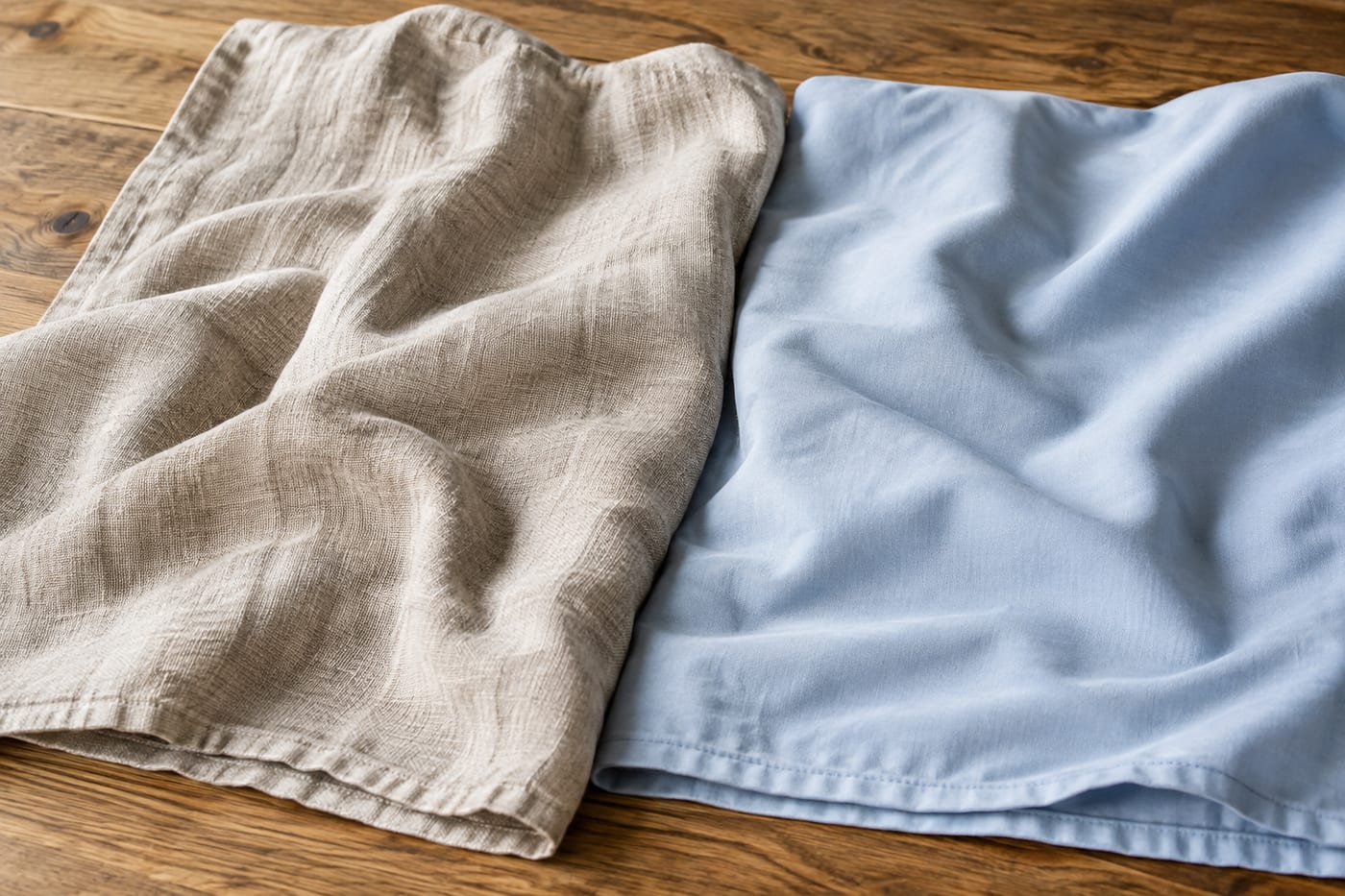
Place a linen pattern and a cotton pattern next to the head of the bed and examine the mirror in relation to the room. There is no need to decide which one is more prestigious. The goal is to choose a look and feel that you will like even after several changes, and not just in a product image where the lighting and folds were planned in advance.
You can also combine instead of choosing a side
A cotton sheet with a linen duvet cover, or cotton pillowcases with a linen set, can work if you like different textures in different layers. Check the fit of each item and wash them separately when their care labels require different cycles.
When combining colors, deliberately different shades can work better than trying to find exactly the same white in two fabrics. Start with the items you already have and replace only what is missing. Thus, the choice between linen and cotton does not require the purchase of a new linen closet.
Choice according to home conditions: two different examples
In an apartment where you dry on a small machine, the first question is whether there is room to spread out the linens and dry them completely. If you are considering linen and cotton, check the instructions for both products and the space each set actually takes up. The name of the fiber is not enough to predict the drying time of a particular model. If drying in the dryer is a necessary condition for you, a product that prohibits this is removed from the list even if it is pleasant to the touch.
At home the main consideration may be a tidy appearance without ironing. In that case, ask to see the fabric after washing, and decide if the natural wrinkles are acceptable to you. Both examples can lead to different choices without either of them being wrong. You should define in advance one need that is not subject to compromise and one preference that you can be flexible about.
A practical comparison before choosing
| consideration | Linen | Cotton |
|---|---|---|
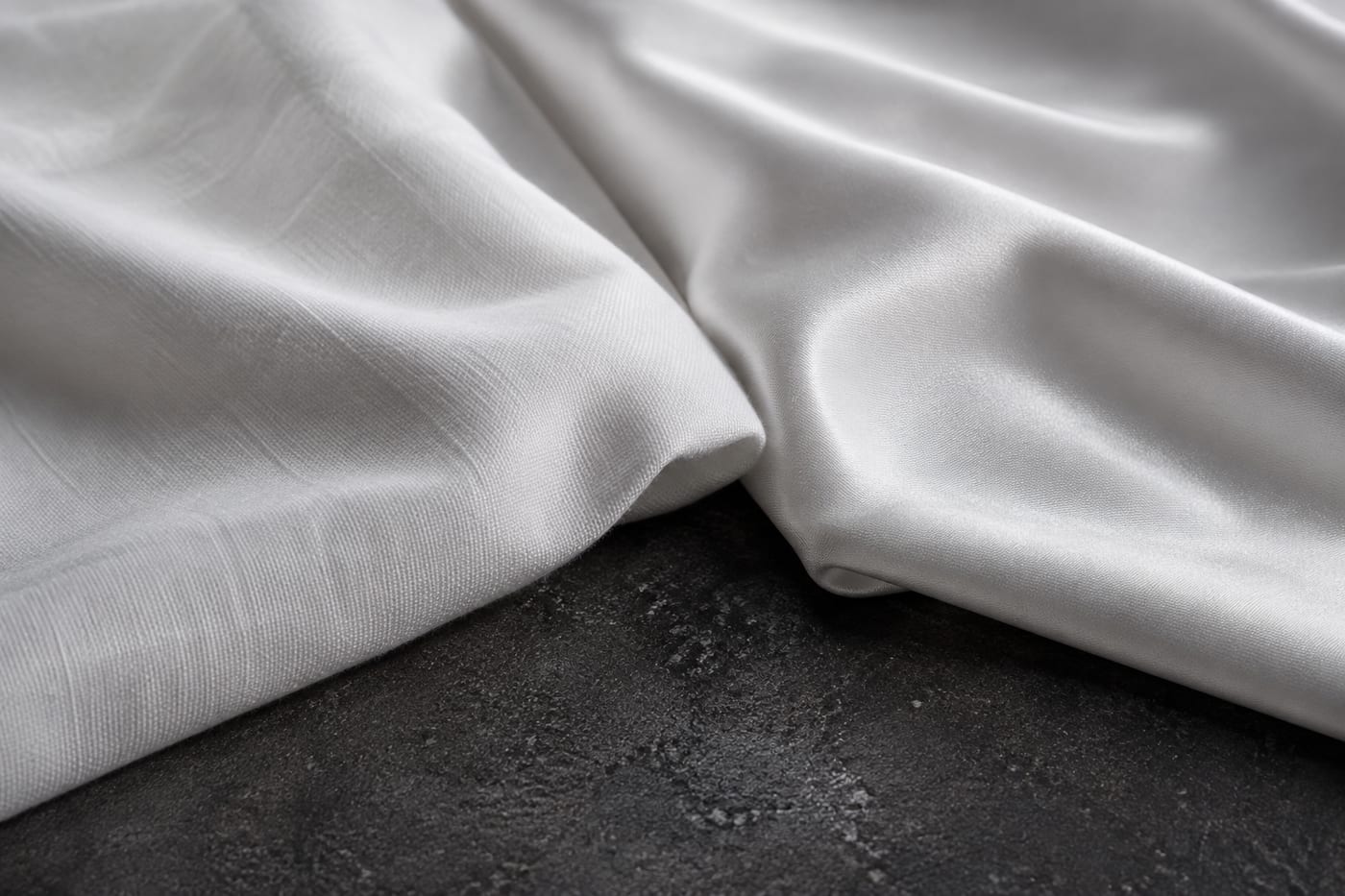
| mirror | Option for a textured and loose look | Variety from matte to satin shine |
| feeling | Check roughness and finish on a sample | check weaving and finishing in the sample |
| wrinkles | A common part of the look | Cotton can also wrinkle |
| A practical choice | For those who love the texture and care | For those who find a weave that suits their preference |
Frequently asked questions
Is linen always better for summer?
No. The finished fabric and all the layers of the bed are examined, not just the fiber.
Does pre-washed linen not shrink?
Pre-washing is not a guarantee of keeping dimensions in every care. Follow the product label and check for explicit information on changing sizes.
Is a cotton and linen blend a compromise?
This is another option. If the composition, the touch and the care suit you, there is no reason to reject it because of the mere mixing.
Sources and scope
Source check: September 15, 2026. The information was checked against the sources listed here. The selection tips are designed to help you compare; They are not based on product tests we conducted ourselves.
By MyViro.
The content explains textile characteristics and is not the result of a product test in a laboratory. How we prepare our guides