From the plant to the thread
Flax is produced from the stem fiber of the flax plant. In the processing process, the fiber bundles are separated from the stem parts, arranged and processed for spinning. The threads are woven and then finished before cutting and sewing.
The texture of linen may include subtle unevenness in thread thickness. This could be a property of the fabric, but a frayed seam or a hole are not natural texture characteristics that should be taken for granted.
how he feels
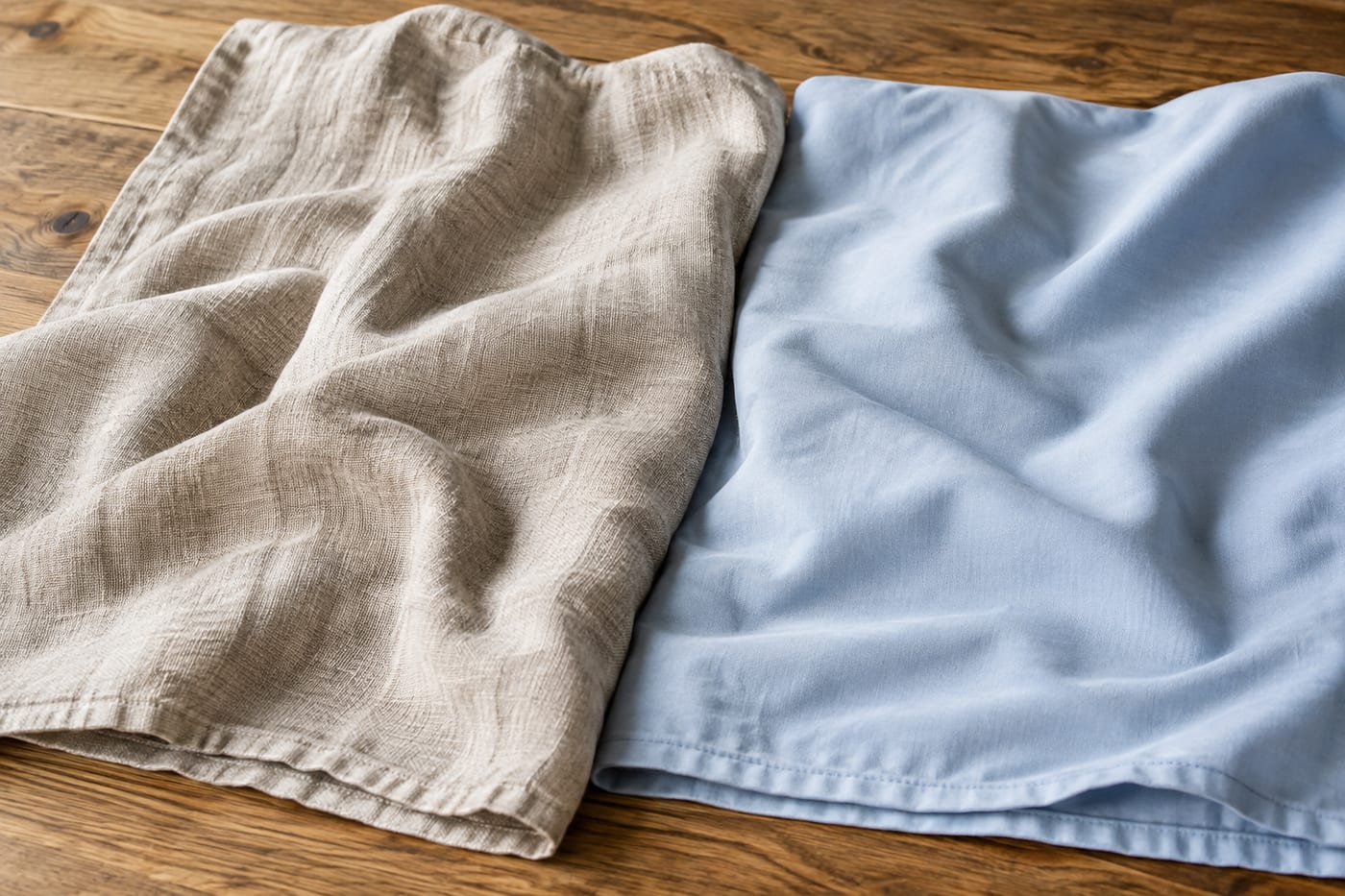
Linen may feel more structured and rougher than smooth cotton at first. Products that have been softened or pre-washed can feel very different. With proper use and care the feeling can change.
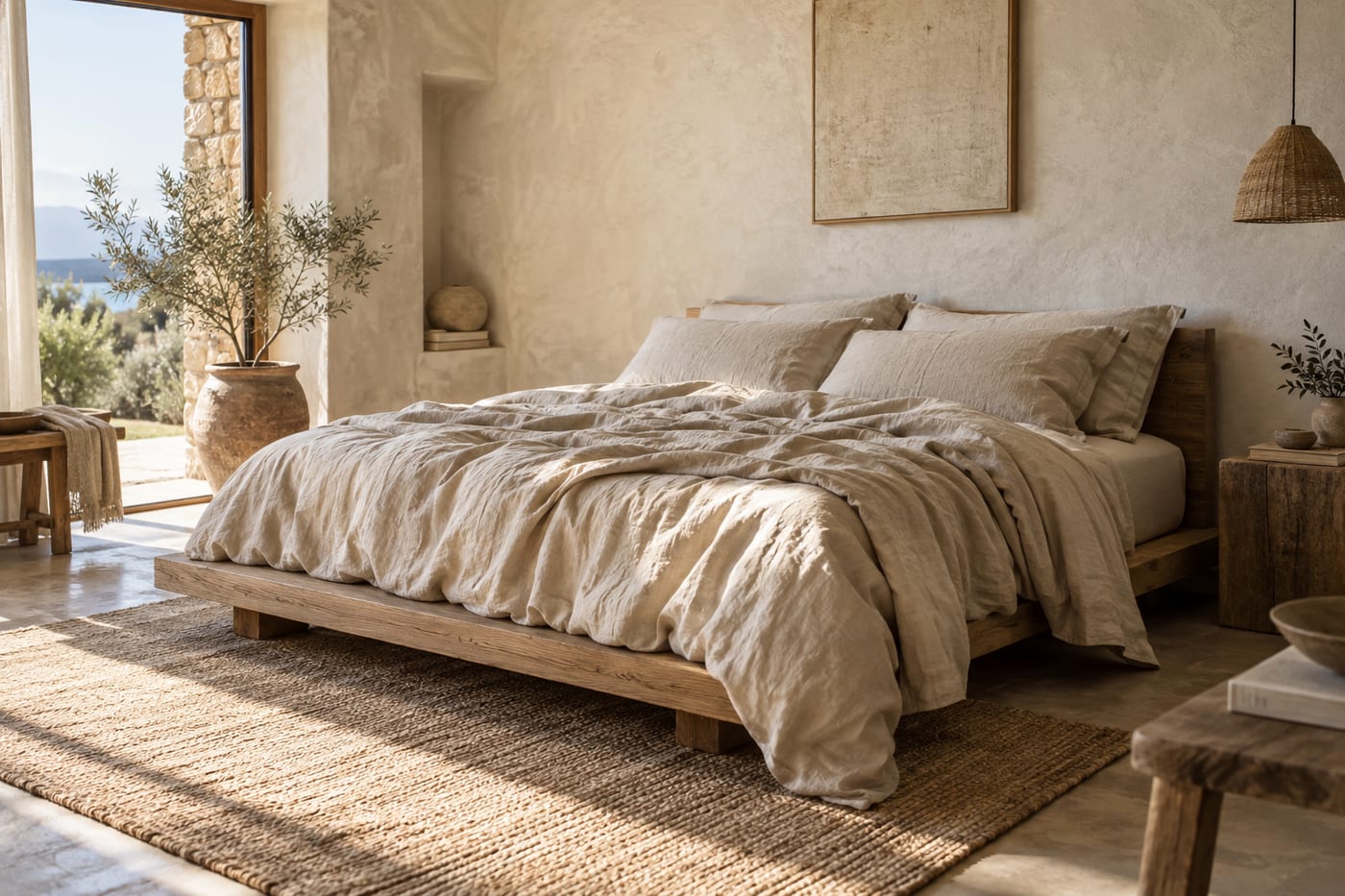
The wrinkles are a prominent part of the look. Those who want a bed with a soft, natural look may like this; Those looking for a taut and shiny appearance should consider whether the required maintenance is right for them.
For more information on the subject: Summer bedding: choosing comfortable layers for warm nights.
Who can it suit?
Linen can suit those who enjoy a noticeable texture and do not expect a smooth surface like satin. When choosing for the summer, you should examine the weight of the fabric, the weave and all the layers of the bed. The name of the fiber does not guarantee a specific temperature.
If the skin does not like textured fabrics, you should feel a sample before buying. A linen and cotton blend can offer a different feel, but you have to read the percentages to understand what you're getting.
Care that suits the fabric
Follow the label, avoid loading the machine and remove the linens on time at the end of the program. Excess heat may change dimensions or damage the appearance.
It is not necessary to iron just so that the fabric is "proper". The decision is aesthetic, and any use of heat should conform to the manufacturer's instructions. Make sure the bedding is completely dry before storing in the closet.
Pure linen or a mixture?
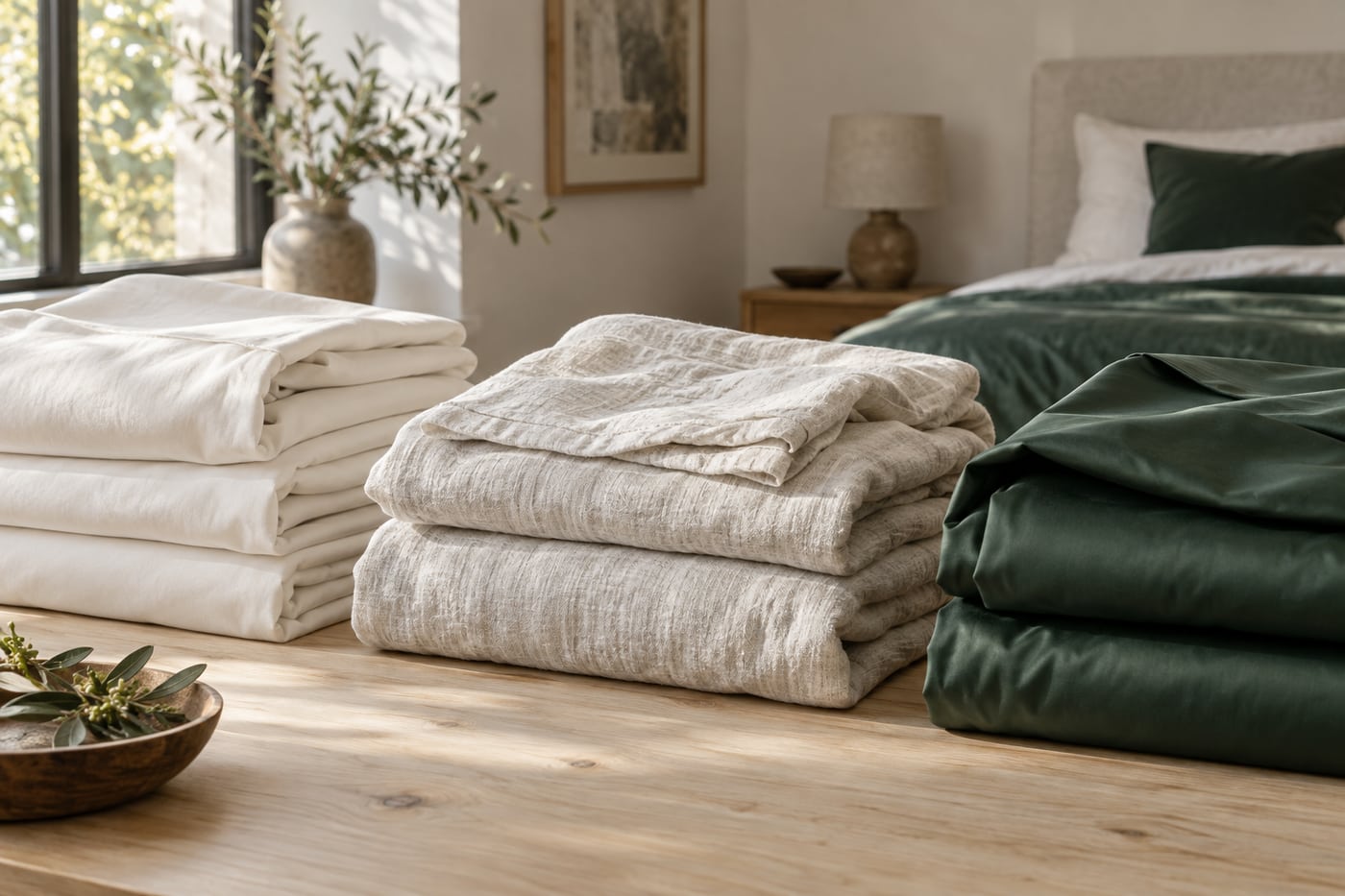
A linen and cotton blend is not necessarily an inferior version; It is a different product. The cotton can change the touch and the fall, and the ratio between the fibers helps to understand to what extent it is a linen fabric. Without percentages it is difficult to compare two mixtures that carry it there.
Also check the finish of the product. Pre-washed linen may feel more pleasant for those who are less fond of initial stiffness, but pre-washing is not exempt from care instructions. The appearance in the store is also affected by the way the fabric is arranged and photographed.
For those who are undecided, try a small item first and check the feeling in use and not just with a short touch. Linen can be a great choice for a particular preference, but there's no reason to pay more for a texture you don't enjoy.
How do you get an impression of the texture before a large order?
Ask for a sample that allows you to feel the fabric over a wide area, not just between two fingers. Check if you like the texture on the inside as well, near the seam and in the fold. Those who like a natural look in the photo may find that they prefer a smoother surface near the face.
If there is a washed sample, ask how it was treated to understand what you are comparing. It should not be assumed that every linen fabric will soften in the same way or at the same rate. Choose a product that pleases you already at the point of purchase, and not a product that bothers you in the hope that it will inevitably change later.
A design that adapts to wrinkles instead of fighting them
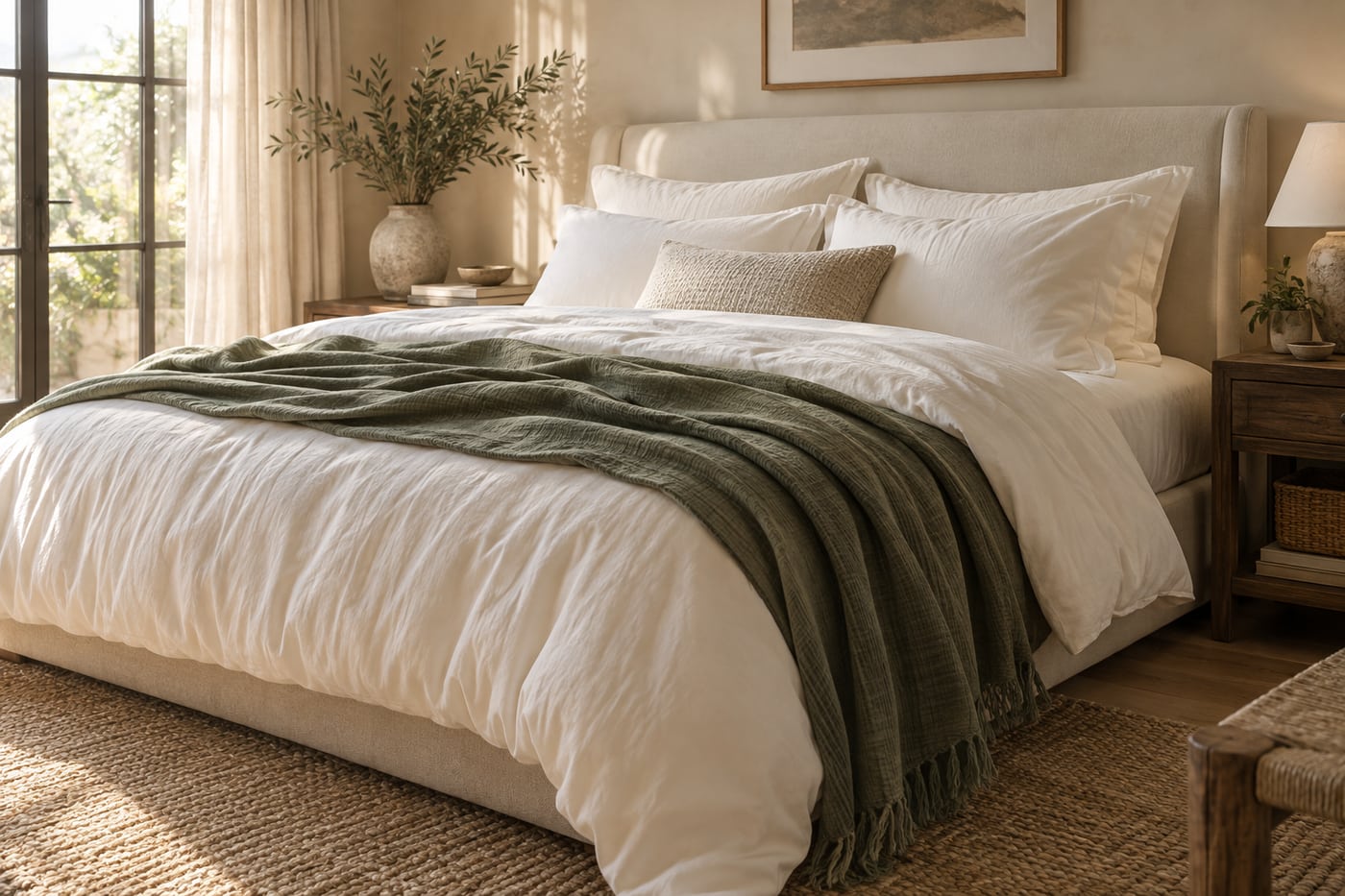
Arrange linen bedding in loose folds with simple pillowcases so its texture becomes part of the look. If you want a perfectly smooth, tightly tucked bed every morning, consider whether the extra bed-making suits your routine.
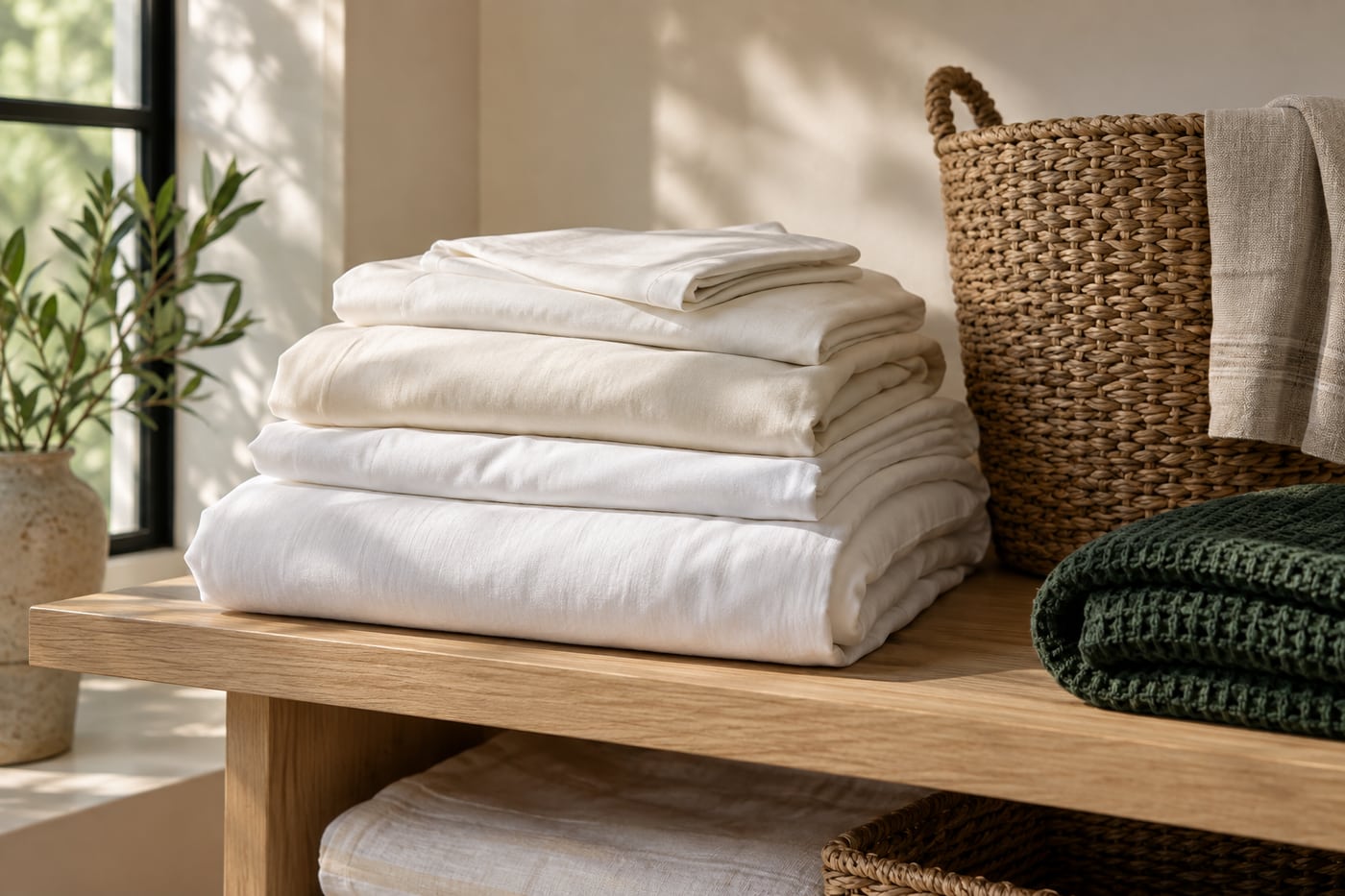
Storage also affects ease of use: don't cram a large pile if each release crumples and breaks it up. Fold according to the space available on the shelf and keep matching parts together. Ironing, if desired and if it is allowed, is done according to the label and not according to one rule for each linen.
A practical comparison before choosing
| preference | what to look for | what to consider |
|---|---|---|
| Perceptible texture | such as the fabric itself | Comfort near the face |
| loose appearance | Simple folding and arrangement | Wrinkles as part of the look |
| Very tight bed | Fabric behavior and handling | Time for arranging and ironing |
| Combination with cotton | composition of the mixture | touch of the finished product |
Frequently asked questions
Do you have to buy linen pillowcases with a linen sheet?
No. You can combine other pillowcases according to the touch preference and care instructions.
Is pre-washed linen the same in every brand?
No. This is a treatment description, not a full specification of fiber, weave and finish.
Does a wrinkle prove that the fabric is real linen?
No. Different fabrics wrinkle. The composition is verified through the information on the product, not by the appearance of the crease.
Sources and scope
Source check: September 15, 2026. The information was checked against the sources listed here. The selection tips are designed to help you compare; They are not based on product tests we conducted ourselves.
By MyViro.
The content explains textile characteristics and is not the result of a product test in a laboratory. How we prepare our guides