fabric pilling starts with friction
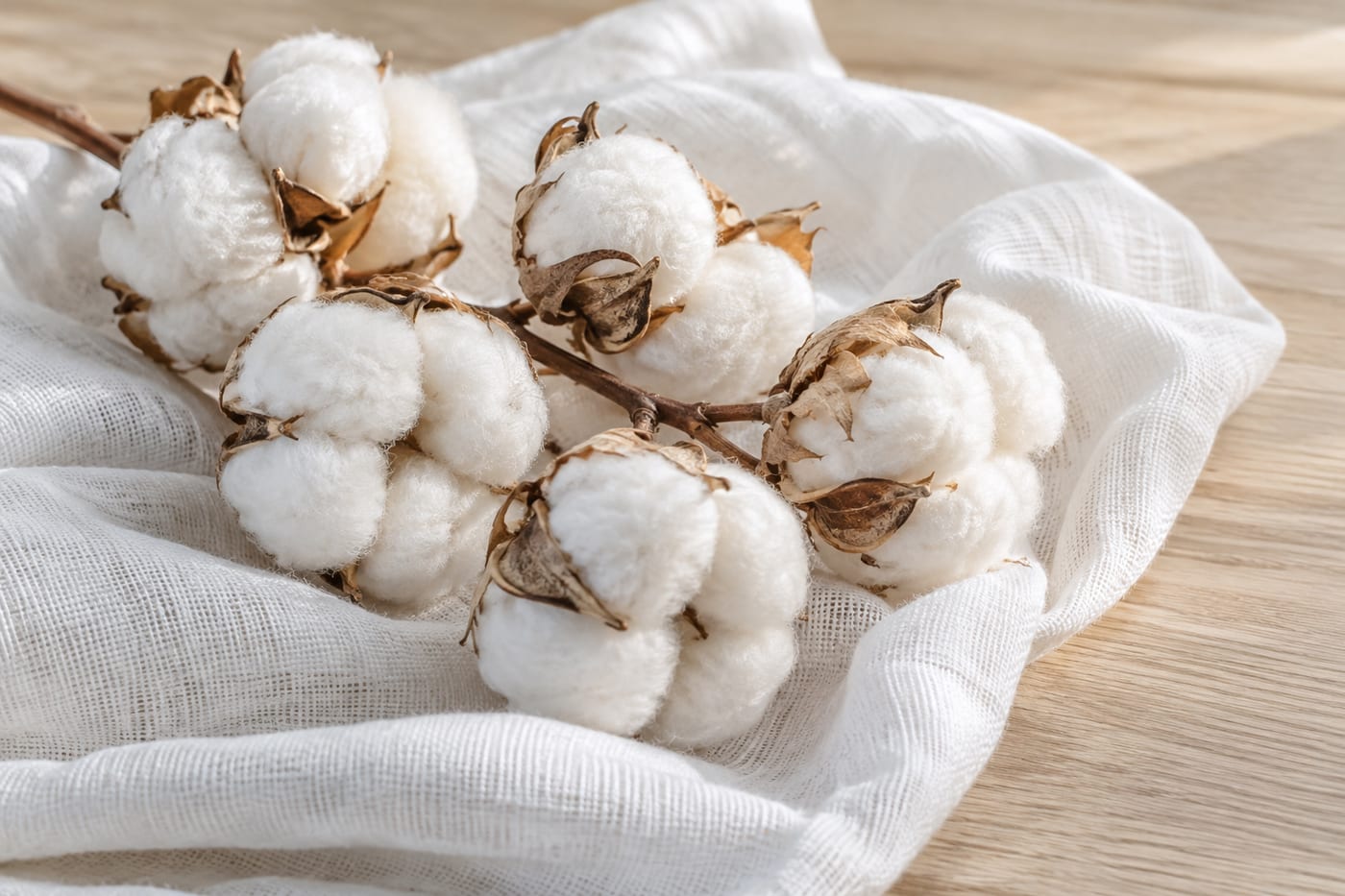
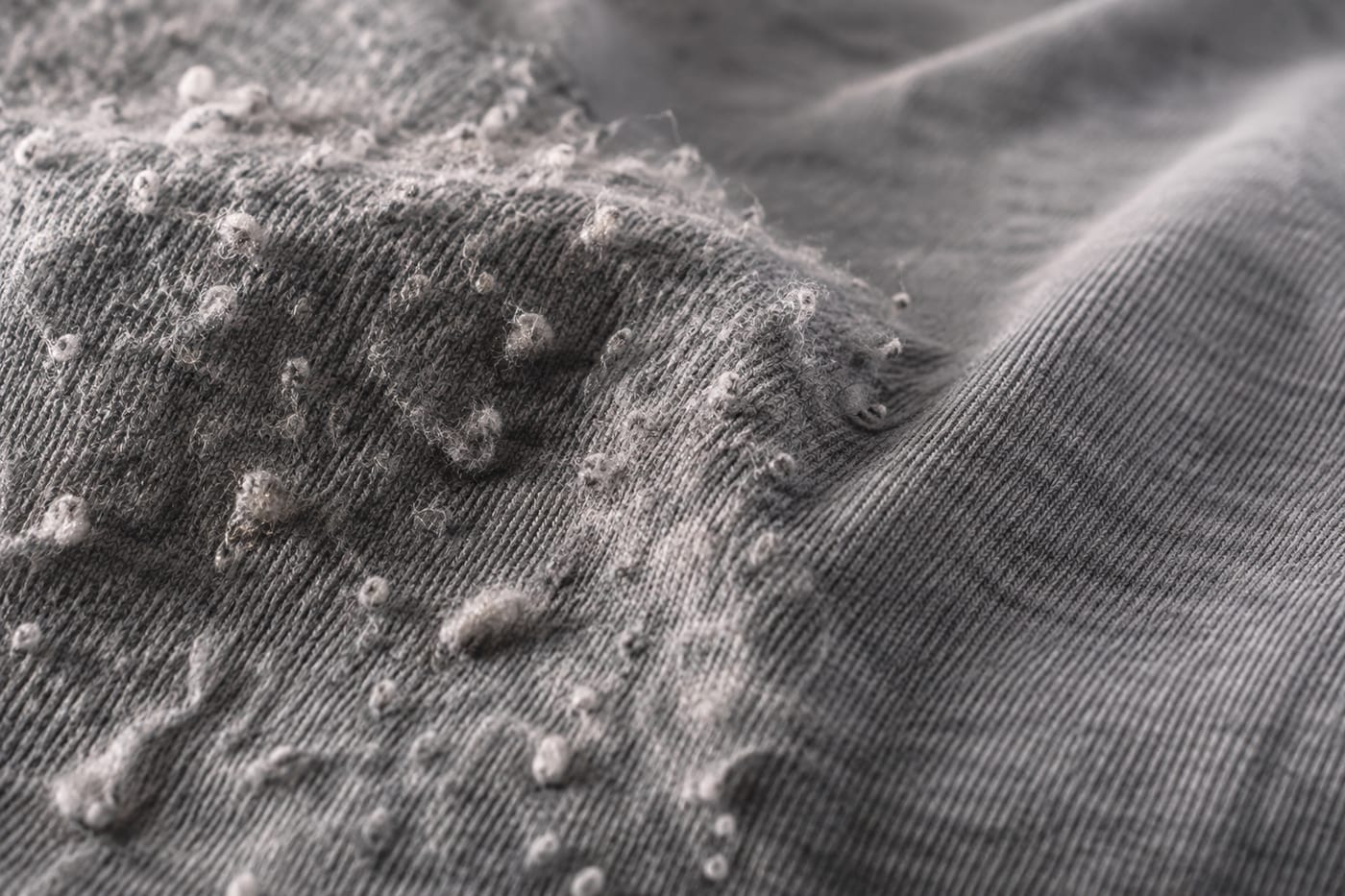
During use and washing, fibers can rise from the surface of the fabric and become tangled in small balls. The tendency for this depends on the fibers, the threads, the structure and the finish, and also on the actual friction.
Pilling does not always mean the fabric was washed incorrectly, and softness does not mean a fabric will wear out quickly. If unusual pilling appears on a new product, photograph it and contact the seller with details of how you cared for it.
Reduce unnecessary friction
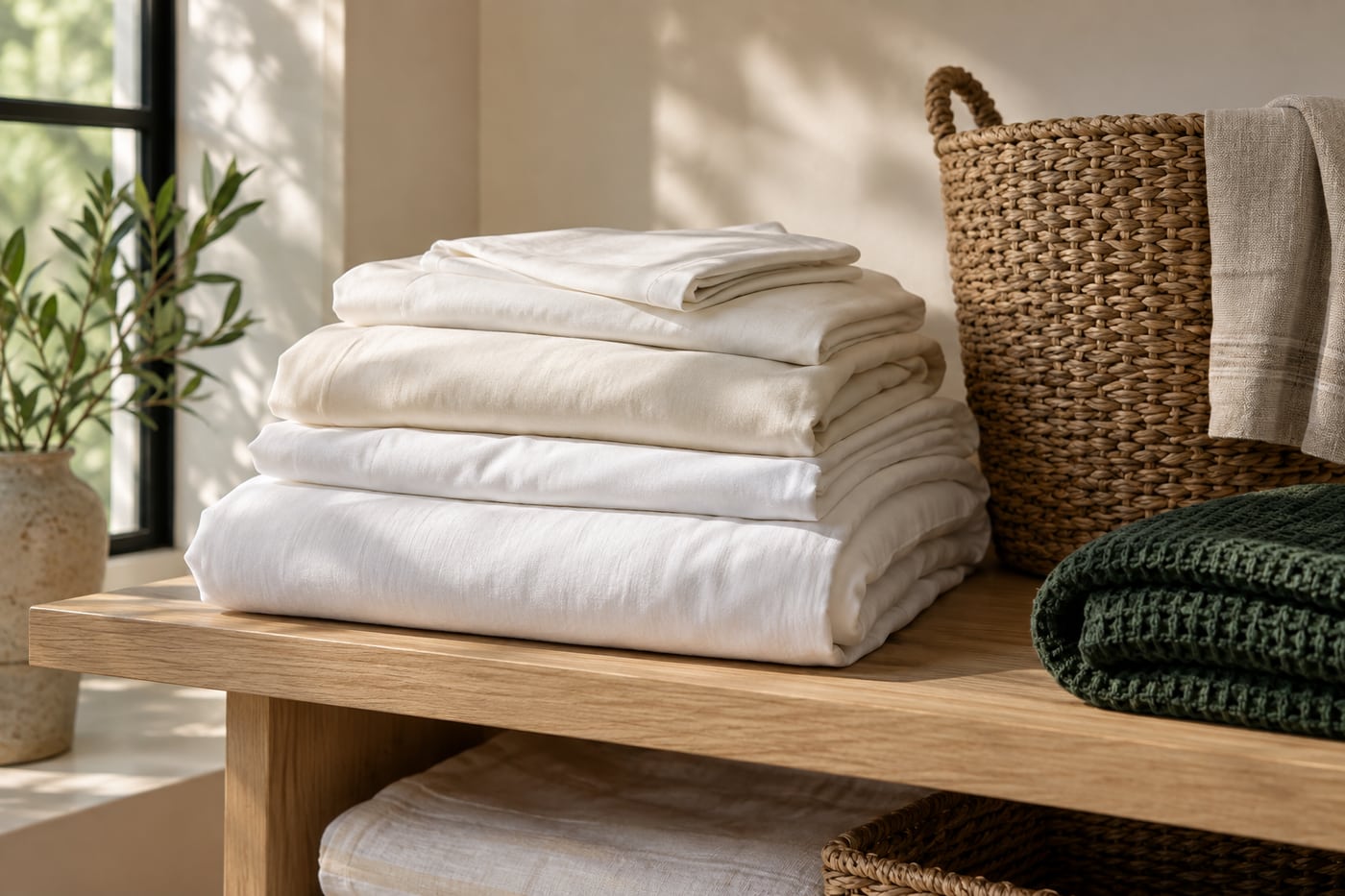
Wash bedding separately from items with rough surfaces and open zippers. Do not compress the drum, and use the program allowed by the label.
If considering a fabric shaver, first check that the manufacturer permits it and try it on an inconspicuous area. Aggressive use can cut threads; pulling pills off by hand may make the fabric look worse.
For more information on the subject: How to wash bedding and care for the fabric.
A wrinkle is not necessarily a defect
Cotton and linen may wrinkle as part of the fabric's behavior. Overloading the drum, leaving damp laundry in the machine and overdrying can add wrinkles.
Remove the bedding at the end of the program, shake and spread to dry according to the instructions. If you like the natural look, there is no need to iron. If ironing, adjust the heat to the product.
When should you check beyond maintenance?
A seam that has opened, elastic that has lost grip, or a thin area that forms quickly requires a separate inspection. A sharp change in measurements can be related to both the treatment and the finish, so you should keep the original label and measurements.
Photograph the problem in a clear light, describe how the product was washed and avoid treatment that may hide or worsen it before contacting the seller. This way you can find out the situation based on information and not on guesswork.
Balls, lint or thread that is drawn: how to differentiate?
Free lint that sits on the surface of the sheet is different from a ball that is attached to it. You can start by gently moving your hand over a dry cloth and check if it is fibers that have fallen from another item. A long thread protruding from the weave requires another caution: it should not be pulled to straighten the fabric, as it may become part of its structure.
Check where the phenomenon appears. An area near the feet, a side that rubs against rough clothing or a small area near a closure may indicate a focus of friction. This is a way to find out the conditions of use, not proof of who is to blame for the wear and tear. A photo of the area alongside a general photo of the sheet will help distinguish between a local problem and a change in the entire surface.
Order a test before trying to fix
Start by documenting the situation and reading the care instructions. Then check which items went into the machine with the linens, if there was room for movement in the drum, and if the drying program matched the label. A small and defined change, such as separating the bedding from rough items, makes it possible to understand if the phenomenon continues under other conditions as well.
Do not run a fabric shaver over the entire sheet in an attempt to make it look new. It removes material from the surface and cannot repair weakened fibers. Avoid experimenting on thin areas, near seams or where you cannot tell what is protruding from the fabric. If a new product has significant pilling, contact the seller before any treatment that could change its condition.
What to document before contacting the shop about fabric pilling?
Keep a short record: when you started using the product, when you noticed pilling, which wash cycle you used and whether it was tumble dried. Photograph the care label, the whole sheet and a close-up of the affected area. Place a ruler beside it for scale without stretching or damaging the fabric. This describes the problem more clearly than saying the bedding “wore out quickly.”
If you want the retailer to inspect the product, do not remove all the pilling first. A fabric shaver changes the surface and can make assessment harder. Photos and notes do not prove a manufacturing defect or establish a right to a refund; they help distinguish what happened from a possible explanation. Check warranty terms with the supplier.
A practical comparison before choosing
| what do you see | what it might be | what to do first |
|---|---|---|
| Fibers that break easily | Free fluff | Check for co-washing with other fabrics |
| Spheres are connected | fiber entanglement | Record and check friction and handling |
| A long and prominent thread | a thread that is drawn | Do not pull or cut without checking |
| Thin fabric or hole | Damage to the fabric structure | Stop abrasive treatment |
Frequently asked questions
Does a pellet remover prevent them from coming back?
not necessarily. Removing the balls changes the existing appearance but not the structure of the fabric or the friction during further use.
Do all cotton sheets need to be ironed?
No. Ironing is an aesthetic choice, and only if the label allows it. Clean and dry linens can be used even when they are wrinkled.
Balls prove that the bedding is fake?
No. It is impossible to determine the source of a fiber or the authenticity of a brand by the phenomenon alone. Such verification requires information about the product and the supplier.
Sources and scope
Source check: September 15, 2026. The information was checked against the sources listed here. The selection tips are designed to help you compare; They are not based on product tests we conducted ourselves.
By MyViro.
The content explains textile characteristics and is not the result of a product test in a laboratory. How we prepare our guides