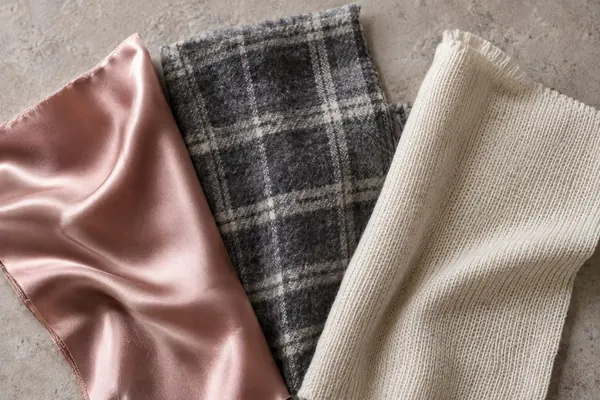
Silk versus satin pillowcases: material and weave
This English-language video compares experiences with silk and satin pillowcases. It commercially illustrates one part of the article, rather than testing flannel or jersey; its results cannot be applied to every product.
By PureWow · Video language: English
On this article, the player loads when the page opens, without autoplay, unless you chose to block external content. Player privacy information
Open the video on YouTube (in a new tab)
The video illustrates this topic. The full article remains available without watching; captions and transcripts depend on the publisher and YouTube.
Silk: A fiber with its own care requirements
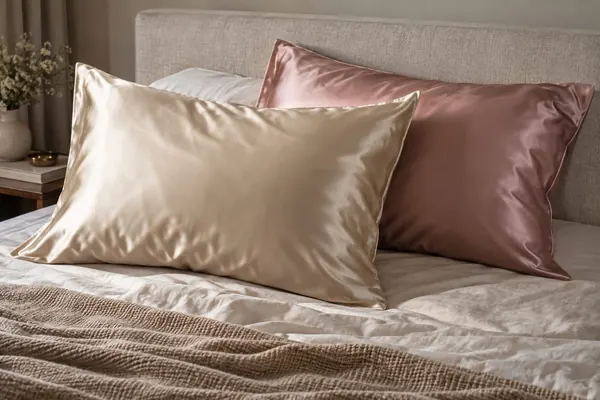
Silk is a protein fiber, and in bedding it is sometimes identified by its smooth touch and shine. A surface that looks silky is not necessarily made of silk: polyester satin may look similar in the picture. Read the composition of the fabric.
Silk can suit those who like the feeling and are ready for the care that the product requires. There are products with gentle washing instructions and there are those that require professional care. Do not generalize from one pillowcase label to another silk blanket.
Flannel: soft and brushed fabric surface
Flannel fabrics are identified with a soft and sometimes brushed surface. They can be made of different compositions, including cotton and blends. The brushing and the structure affect a feeling of warmth.
Flannel may be suitable for those who prefer an enveloping touch during cold weather. Those who tend to feel hot at night should check if they need such a fabric alongside the blanket they already have. fabric pilling may appear with friction, and the treatment should match the label.
For more information on the subject: Percale vs. cotton sateen: the same fiber, a different feel.
Jersey: a knitted fabric rather than a woven one
Jersey is constructed of loops, so it can feel as flexible as a t-shirt. It is not necessarily 100% cotton; Sometimes additional fibers are combined, and it is important to read the percentages.
Stretch can make a fitted sheet easier to put on, but it does not replace correct dimensions and pocket depth. Also check whether the fabric recovers its shape and whether the elastic is well made.
How to compare without mixing concepts
When comparing products, write down the material first, then the fabric structure and finally the finish. This is how you can understand why a jersey cotton sheet feels different from a percale cotton sheet.
Choose according to the feel you prefer and the care you can provide. Do not assume that silk or a smooth fabric treats skin or hair concerns without evidence supporting the specific claim.
Three names that describe different things
It is easy to get confused when comparing silk, flannel and jersey as if they were three grades of the same product. Silk describes a fiber, flannel describes a type of fabric with a characteristic surface, and jersey describes a knitted structure. That's why you should start each of them with the same simple question: What is the full composition of the item in front of you?
Jersey fabric can contain cotton or a blend, and flannel does not have to have the same composition in every store. Even the inscription silk touch does not mean that the fabric is made of silk. After checking the composition, you can move on to the usage questions: do you want a flexible sheet, a brushed texture or a smooth surface? The choice of feeling does not require buying the same material for all layers of the bed.
How to try a new texture without committing to a whole set?
For an adult bed, start with one item suited to what you want to try: a pillowcase for the feel against your face, or a sheet for the feel of the whole sleeping surface. A pillowcase cannot tell you exactly how a sheet will feel, but it can help identify a texture you dislike. Check the seller’s rules for opening, washing and returning items beforehand.
With jersey, check that stretch is not hiding a poor mattress fit. Feel both sides of flannel and consider the preferences of anyone sharing your bed. For silk, pay particular attention to care requirements and whether you can easily obtain a spare. A good choice should remain enjoyable after the novelty of a new fabric wears off.
A practical comparison before choosing
| Term | What the term describes | What to check in the item |
|---|---|---|
| silk | fiber | Silk percentage and treatment |
| Flannel | Fabric type and texture | Fiber content and brushing |
| Jersey | Knitted structure | composition, flexibility and adaptability |
| Silky touch | Description of feeling | Actual fiber name |
Frequently asked questions
Does jersey fit any mattress height?
No. The elasticity of the fabric does not replace a suitable height range. A sheet that has been stretched a lot may pull the corners even if you managed to dress it.
Does flannel have to be very thick?
You should not infer thickness or weight from the name alone. Ask for a specification or sample and examine the item itself.
Can you wash all three together?
Only if every item’s care instructions allow the same cycle and washing conditions. The fabric category alone cannot establish compatibility.
Sources and scope
Source check: September 15, 2026. The information was checked against the sources listed here. The selection tips help you compare options; they are not based on hands-on product tests by MyViro.
By MyViro.
The content explains textile characteristics and is not the result of a product test in a laboratory. How we prepare our guides
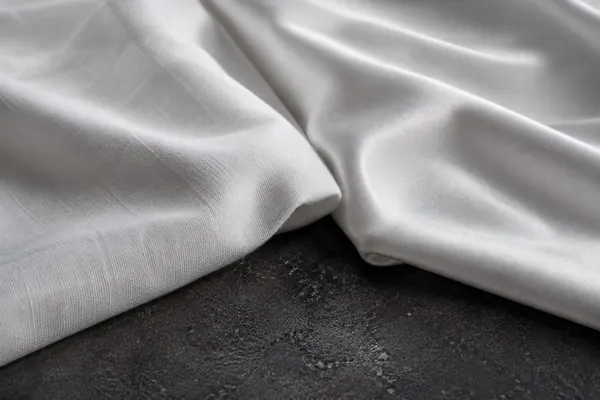
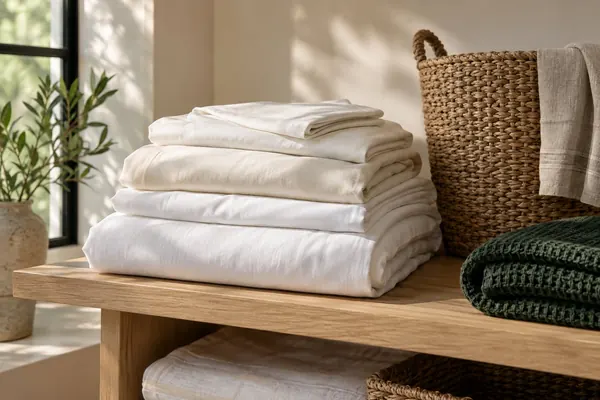
Illustrative photos on this page were created with AI.