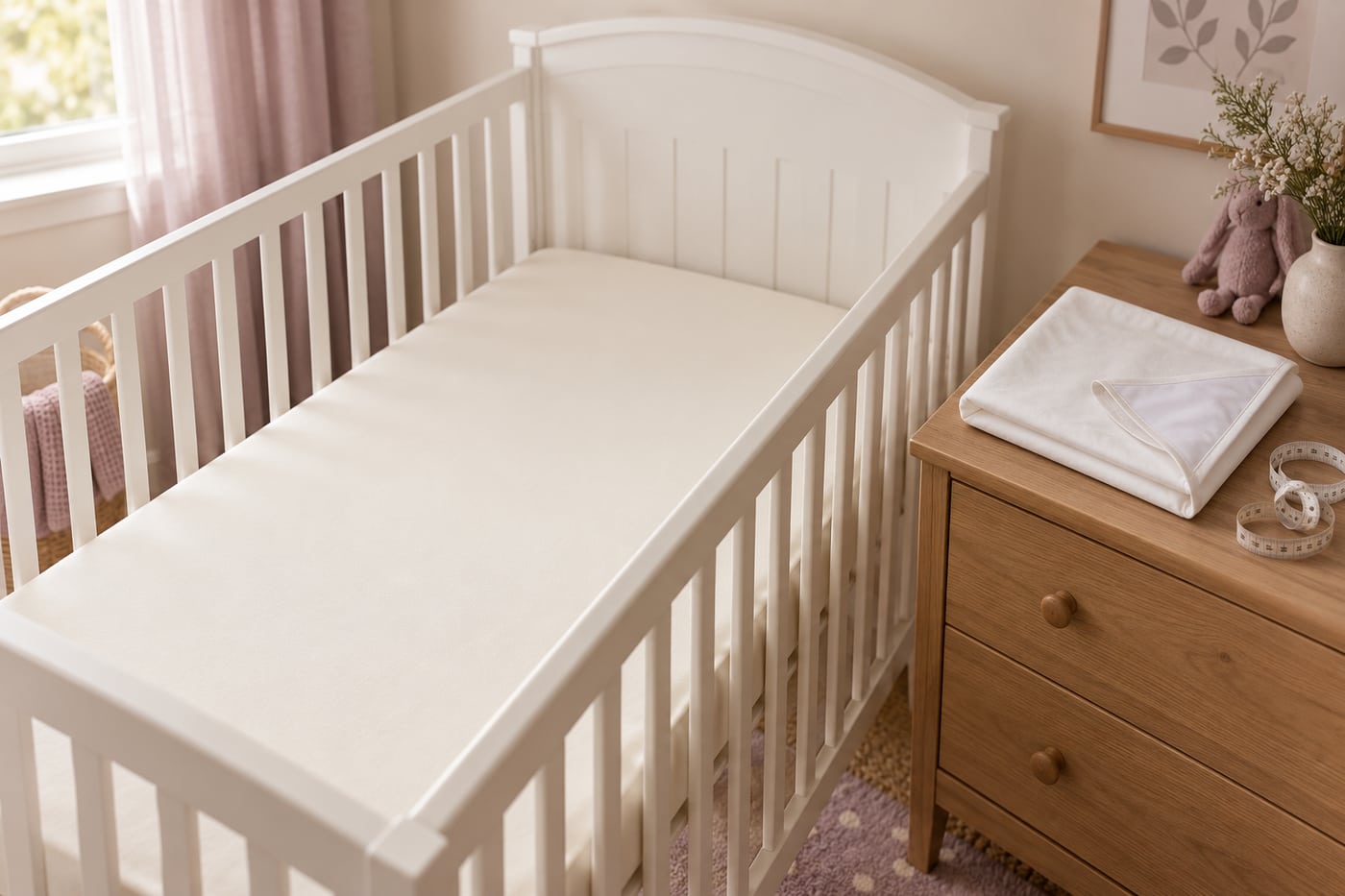
Before choosing a protector: Israeli sleep guidance
When searching for a crib mattress protector, begin with sleep guidance rather than a product shortlist. The Israeli Ministry of Health’s page on preparing a safe baby room, reviewed in October 2026, explicitly includes a mattress protector among the items its summary says should not be left in the bed. This guide therefore does not recommend adding a separate protector based on a shop title or seller’s assurance. Mattress care needs to be addressed within the permitted sleep arrangement without changing that arrangement.
First identify what already belongs to the mattress and what is an accessory. An original outer cover, a component defined as part of the mattress and a pad placed on top are different items. If there is uncertainty about a particular component, show the bed, mattress and accessory models to your Tipat Halav team or an appropriate healthcare professional. Manufacturer instructions are necessary for understanding construction, but commercial approval alone is not a reason to depart from local sleep guidance.
An original mattress cover versus an added protector
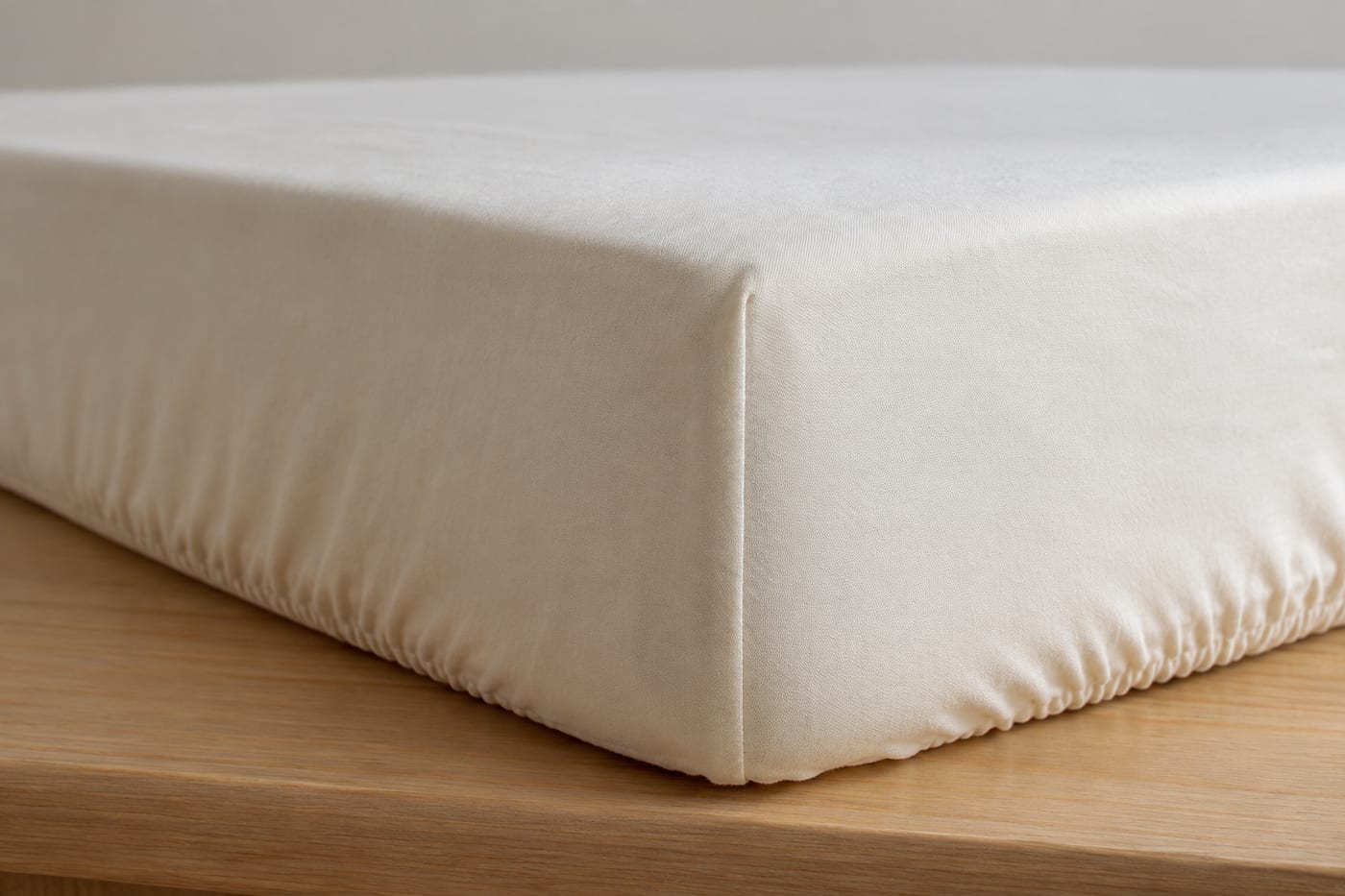
An original outer cover is part of the item supplied as the mattress. Its exterior may be cleanable as specified for that model, but appearance cannot establish permission to remove, wash or replace it. An added protector is a separate product even if it is thin, white or elasticated. The distinction helps frame the right question: are you asking how to care for the existing mattress, or whether an additional accessory belongs in the sleep space? Those are separate enquiries.
Photograph the label and the mattress as supplied, and check the manual’s component list. Do not remove a zipped cover simply because the fastener opens. If an original damaged component needs replacing, obtain the model instructions and the correct replacement identification. Do not adapt a cover from another mattress by adjusting elastic or folding fabric. General protector-laundering information also does not permit washing an original cover, which follows the mattress’s own care instructions.
For more information on the subject: Safer sleep for babies: the bed, mattress and sleep space.
Sleep space and component: what needs clarification?
| Space or item | Information needed | Key check |
|---|---|---|
| Bassinet or bedside sleeper | Exact model and supplied surface | Do not transfer another model’s accessory by dimensions alone |
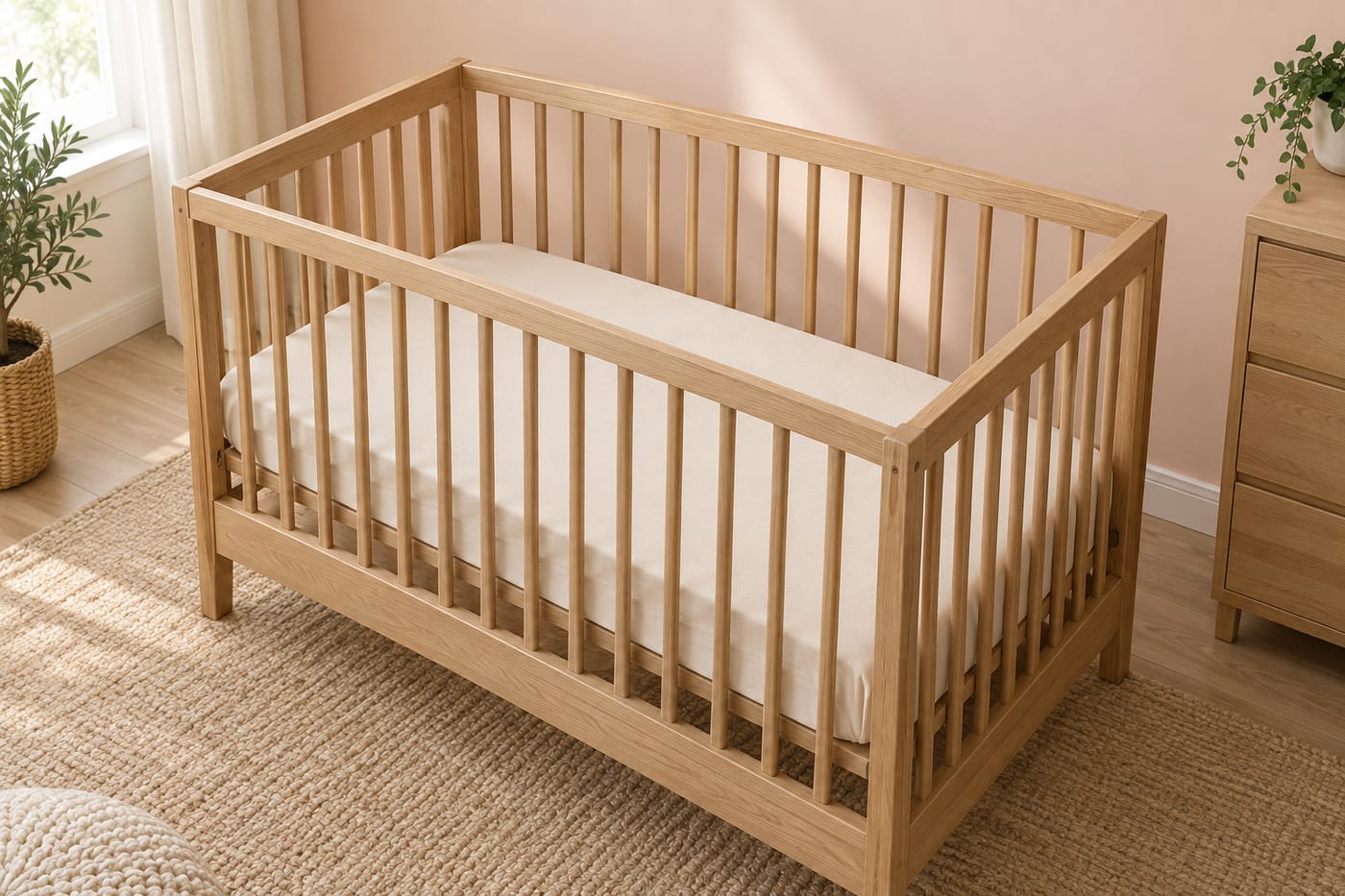
| Crib | Bed, mattress and instructions | Mattress fit and permitted sleep arrangement |
| Portable infant bed | Surface and use defined for the equipment | Do not add cushioning to change the feel |
| Original mattress cover | Fixed or removable original component | Model-specific care and replacement; no inferred washing permission |
| Added protector or pad | Identify it as an addition | A name or seller’s approval alone is insufficient |
| Toddler bed | Stage of use, model and new measurements | A separate assessment; do not transfer permission to infants |
Bassinets, cribs and toddler beds need different checks
Bassinets, cribs and toddler beds may share a retail category, but they are different equipment. With a bassinet or bedside sleeper, identifying the model and the supplied sleep surface is especially important. For a crib, assess the mattress-to-bed fit and its instructions. With a toddler bed, also establish suitability for the child’s current stage of use. Baby in a bedding product’s name does not establish which equipment or developmental stage it is suitable for.
Keep a separate record for each sleep space, including a grandparents’ bed if it is used. Record the model, mattress dimensions and the component you are asking about. Do not automatically transfer an accessory from a bassinet to a larger bed or in the opposite direction merely because the fabric can surround the mattress. Numerical fit is only part of the information. A change of sleep space requires another check of instructions and the arrangement, rather than simply buying the same item in a different size.
A suitable flat surface: protection cannot compensate for fit
The Israeli Ministry of Health emphasises an infant-appropriate mattress that is neither overly soft nor inclined, with a fitted sheet without excess fabric. The AAP also stresses a firm, flat surface and a mattress designed to fit the specific crib. A thicker protector, towel, topper or gap-filling material cannot correct an unsuitable mattress. Mattress and frame must fit according to the equipment instructions; bedding is not a tool for changing the dimensions or softness of an infant sleep surface.
Before considering care arrangements, inspect the mattress in its intended installation. For sagging, a separating component or uncertainty about fit, contact the equipment manufacturer and an appropriate professional. Do not experiment with the baby on a layer to assess comfort. A photograph of the problem, the model and when you noticed it support a more precise enquiry. A home visual inspection is not a safety test and cannot replace identification of an original component or approved fit.
Why overseas advice does not approve every protector in Israel
The NHS shopping list includes a waterproof mattress cover alongside a suitable flat mattress and sheets. Current AAP and CPSC guidance, meanwhile, describes a sleep space without loose additions and with a fitted sheet only. These sources are not lists of products approved in Israel, and combining one sentence from each does not approve an item a seller offers. In particular, mentioning a waterproof cover does not authorise a padded protector or every kind of absorbent pad.
In Israel, begin with Ministry of Health guidance and information from Tipat Halav. If a component’s description is unclear, request clarification of an integral mattress cover versus an accessory. Provide the bed and mattress instructions too. The aim is to understand the particular arrangement, rather than select the most permissive wording found online. This guide does not decide that every product called a protector is allowed or prohibited; it avoids blanket approval without an appropriate enquiry.
Measurements: record both the mattress and the model
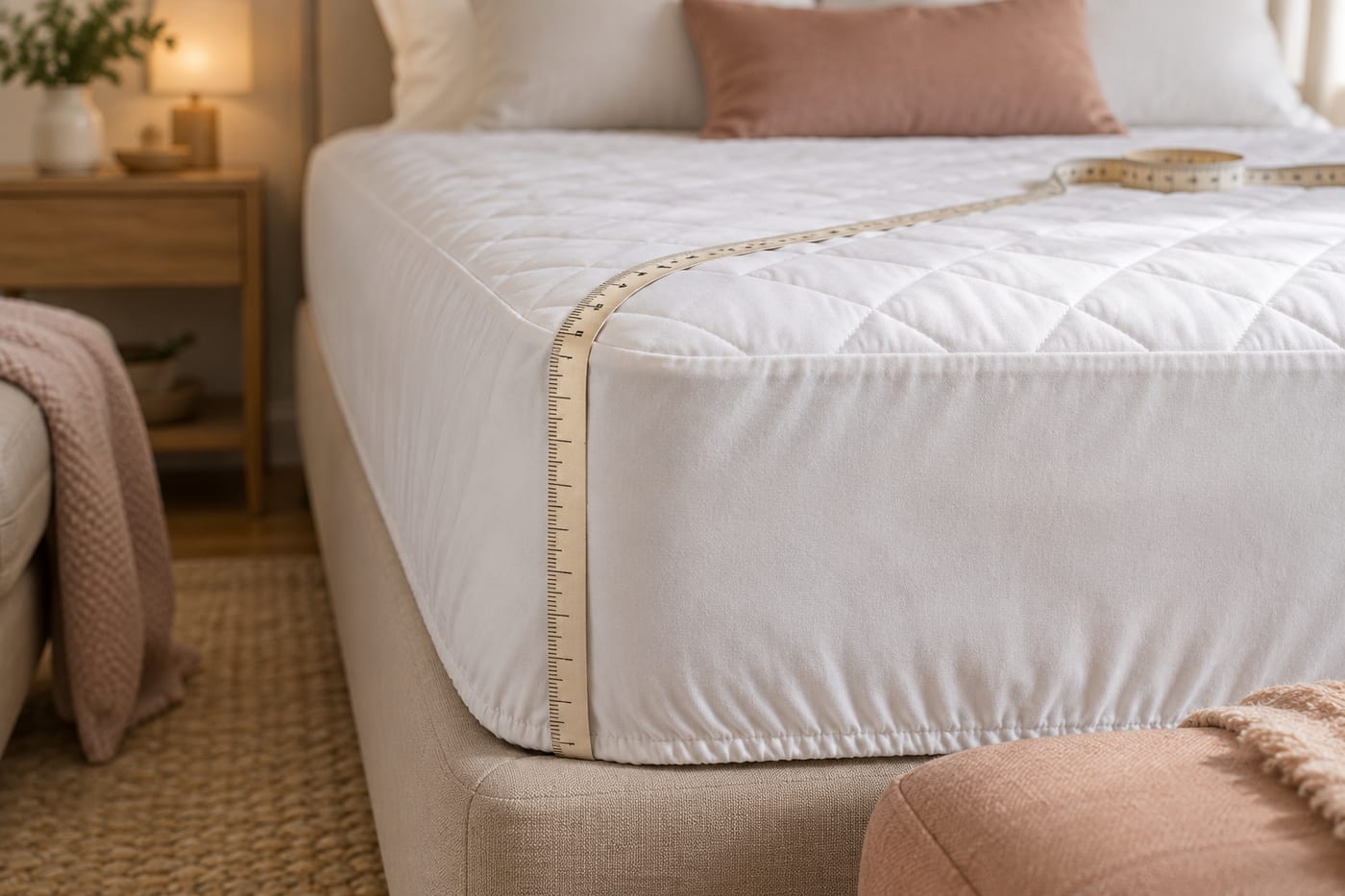
When information is needed about an original component or equipment compatibility, measure the mattress itself: width, length and height as directed. Record its shape too, because a bassinet mattress may differ from a rectangular crib mattress. Outer frame size is not mattress size, and bassinet is not a measurement. The measurements help supply information for an enquiry; equal width and length do not establish that an added protector is safe.
If an existing sheet is difficult to identify, inspect its label and suitability according to the equipment instructions. Do not shorten fabric with knots or add straps or clips to turn an unsuitable size into a suitable one. Our baby fitted-sheet guide concentrates on sheet fit, while theprotector size guide explains fabric dimensions versus fit measurements. A size table for adult protectors is not permission to use those products with infant equipment.
Waterproofing, absorbency and padding: specifications are not permission
Waterproofing describes a barrier, absorbency describes liquid uptake, and padding describes added volume or feel. These remain different properties when one item combines them. A changing pad or absorption product for an older child’s bed is not automatically appropriate for infant sleep. Do not treat thin, breathable or for babies as permission to put it in the bed. A material name or package appearance cannot replace sleep guidance or the distinction between an original component and an addition.
For an original cover, establish how its barrier may be cleaned and whether a part is removable. For an accessory being offered for purchase, identify it explicitly as an addition when consulting a professional. Our barrier and absorbency guide explains bedding terminology without expanding permissions for infant use. An item does not become appropriate for sleep merely because it keeps a surface clean during another household activity.
Care for the existing mattress without substitute layers
Care begins with instructions for the mattress and the sheet in use. Check which components may be cleaned, with what product and by which method. Wiping permission does not authorise soaking, and a removable cover is not necessarily washable. If an original waterproof cover is damaged, covering it with another item is not a repair. Ask the manufacturer what treatment or replacement is required, and obtain professional guidance if continued use is uncertain.
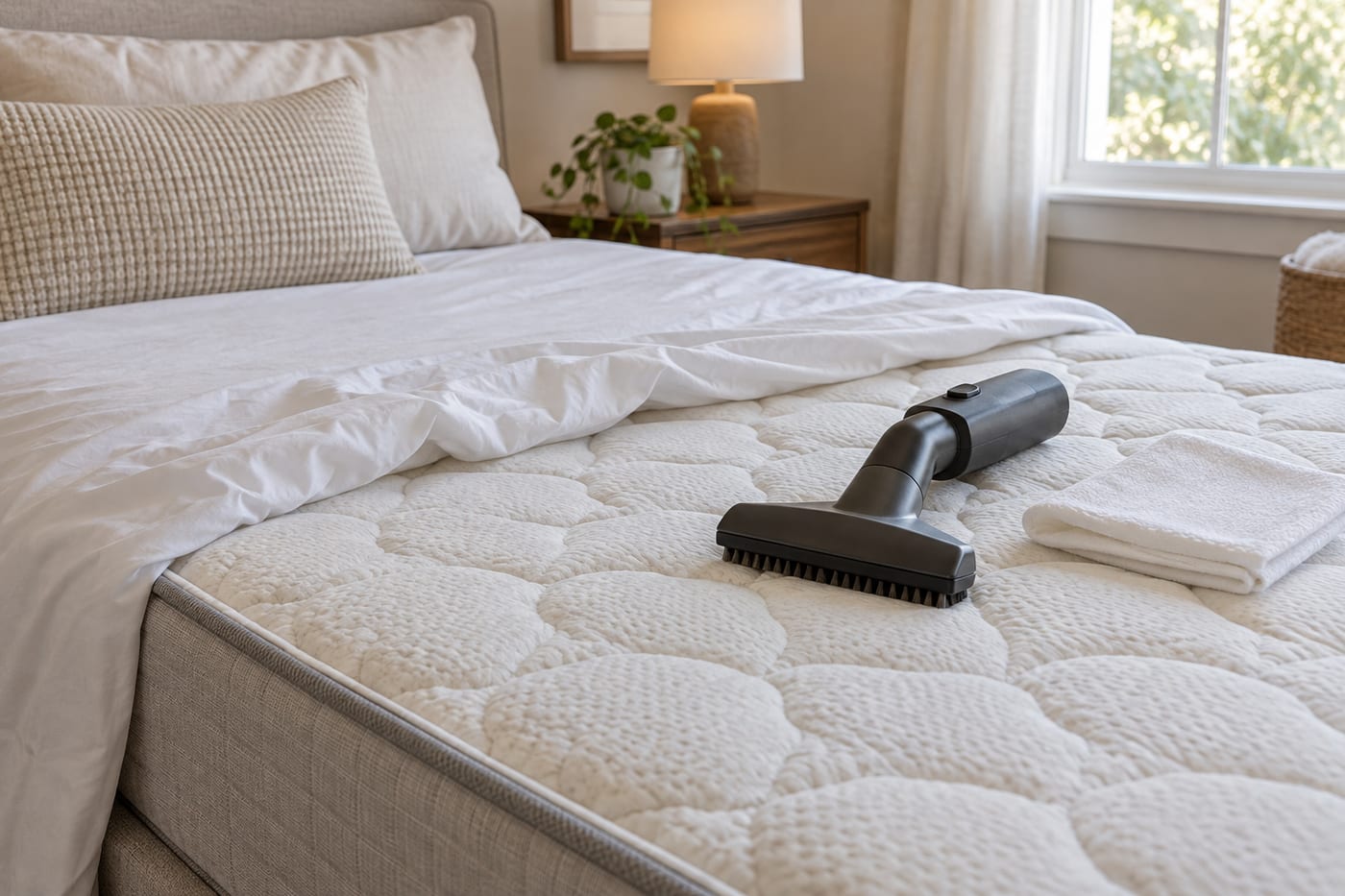
Plan cleaning while the baby is out of the bed. Check dryness as instructed, including edges and seams, before replacing a suitable sheet. Do not return a damp mattress or bedding and add dry fabric to conceal the moisture. Our mattress cleaning guide explains why the cover and core need separate assessment; for an infant mattress, model instructions and sleep-space requirements take precedence over general cleaning methods found online.
Night-time changes: prepare replacements outside the bed
A clean, correctly identified spare sheet stored in a drawer or cupboard can simplify changes, together with accessible mattress instructions. There is no need to stack several protectors and sheets so a wet layer can be pulled away to reveal the next. Convenience does not authorise added layers. Prepare replacements separately and label their intended bed, especially in a home containing a bassinet, crib and an older child’s bed.
After wetting, inspect what lies beneath the sheet before finishing the change. If cleaning or drying takes time, plan an alternative sleep space that meets guidance and is suitable for the infant; waiting for laundry does not turn a sofa, adult bed or changing surface into a sleep space. Tell every caregiver where appropriate bedding is stored and how the mattress is cared for. A short model and care record reduces tired guesswork without adding items to the sleeping area.
Moving to a toddler bed: reassess the need
For a child who is ready and appropriately equipped to use a toddler bed, bedding and protection questions depend on the bed, mattress and stage of use. This guide does not give one age that approves every bed or product. Check the instructions and individual suitability, then record new measurements. If investigating wetting protection, separate mattress maintenance from a medical or developmental question. A protector is not treatment for bedwetting and does not determine when a child should toilet train.
An absorbent product for a larger bed may cover only a particular area, while a fitted protector also needs height compatibility. Establish the model’s construction and care without transferring them to use with a young infant. A developmental change is not a reason to pass every item automatically between siblings. The site’s size and barrier guides can help interpret specifications while bed instructions and professional guidance remain relevant. Keep product compatibility separate from medical promises.
Breathable and hypoallergenic are not sleep approval
Claims about pleasant fabric, high absorption or allergen properties concern, at most, a feature the manufacturer describes. They do not answer whether an additional product belongs in an infant bed. Any advertised standard or test also needs identification: what was assessed, for which item and for which purpose? A video of water poured onto fabric or a baby pictured on a soft surface cannot replace safe sleep guidance.
Do not infer compatibility from another family’s review because their equipment and child’s age may differ. Keep a specification link for an enquiry, but do not treat a longer list of promises as a reason to add an accessory. Medical needs, skin sensitivity or breathing questions warrant individual advice from healthcare professionals. Searching for a crib protector can end with learning how to care for the existing mattress without purchasing another layer; that decision follows an appropriate enquiry rather than the shop category name.
Finish with clarity about the equipment, not a shopping list
Collect four details: the sleep-space type, mattress model, original component being discussed and the proposed care or change. Add photographs of the label and instructions. If the question concerns an accessory, say so explicitly rather than merely calling it a cover. This supports an answer about the actual equipment at home instead of general information about cotton or cleanliness. Keep the information available so everyone who prepares the bed can follow the same arrangement.
Israeli guidance is the starting point; overseas sources add context without overriding it. Our safe infant sleep guide brings together sleep-space principles, while the fitted-sheet guide addresses bedding fit and care. If an accessory question remains unclear, do not resolve uncertainty with another layer or improvised fastening. Continue the enquiry with identified equipment and the appropriate professional, maintaining the sleep environment according to guidance while seeking clarification.
Identify equipment and guidance first

- Identify the sleep space
- Original cover or addition?
- Follow Israeli guidance
Video: clearing the infant sleep space
This 2024 NICHD video explains clearing bedding and objects from the sleep space, based on the 2022 AAP recommendations. It provides US guidance rather than approval for an added protector; Israeli Ministry of Health guidance takes precedence when considering accessories.
By NICHDVideos — Safe to Sleep · Video language: English
The player loads only after a click, subject to your external-content preferences. Player privacy information.
The article can be read without watching. Captions depend on the options available on YouTube; the explanation is not a transcript.
Frequently asked questions
Does every crib need an added protector?
There is no blanket recommendation to add one. The Israeli Ministry of Health’s room-preparation page includes a protector among items not to leave in the bed. Clarify existing mattress care and original components versus additions.
Is an original waterproof cover an added protector?
Not necessarily. A cover supplied as part of the mattress differs from an item placed on top. Identify the component and model instructions before care, removal or replacement.
Can I choose a bassinet protector by mattress dimensions?
Measurements inform an enquiry but do not approve use. Identify the bassinet and supplied sleep surface, following local guidance and equipment requirements.
What if the seller says the protector is suitable for babies?
Commercial assurance does not replace Israeli safe sleep guidance. Where uncertain, show the identified item and instructions to Tipat Halav or an appropriate healthcare professional.
Why does the NHS mention a waterproof cover?
It appears in a general UK equipment list, not an Israeli list of approved models. Do not turn that mention into blanket permission for padding or an accessory.
Can I stack sheets and protectors for quick changes?
This guide does not permit stacked layers. Store appropriate replacements outside the bed and change according to guidance after inspecting the mattress and dryness.
How should I select for a toddler bed?
Reassess the stage of use, bed and mattress. One age cannot approve every item, and an older child’s arrangement does not establish suitability for an infant.
Does a breathable protector prevent SIDS?
Do not infer that promise from a commercial description. A sleep environment following guidance is fundamental; medical needs require individual advice.
Sources and scope
Sources checked on 12 October 2026. Manufacturer sources describe their own products and instructions; they do not establish one universal rule for all bedding and mattresses.
- Israeli Ministry of Health: preparing a safe baby room
The 20 April 2026 summary explicitly includes mattress protectors among items not to leave in the bed; it does not approve an accessory.
- Israeli Ministry of Health: safe infant sleep
Appropriate mattress, non-inclined surface and fitted sheet. Local guidance takes priority over commercial descriptions.
- AAP: safe sleep recommendations explained
Firm flat surface, compatible mattress and fitted sheet only; excludes soft and loose additions.
- CPSC: infant sleep environments
Sleep-intended equipment and a bare arrangement; US guidance is not Israeli model approval.
- NHS: newborn equipment
Includes a waterproof cover in a UK shopping list; the article explains why this cannot approve every accessory in Israel.
- NHS: reducing sleep risks
A separate appropriate sleep environment; professional background rather than protector-model approval.
By MyViro.
General information to familiarize yourself with the subject, which is not diagnosis or medical treatment. How we prepare our guides