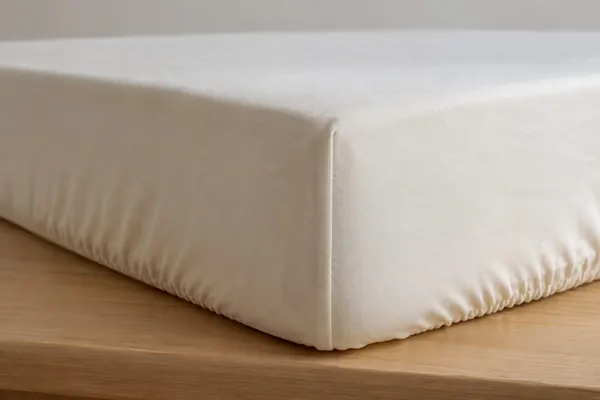
Safe sleep before fabric selection
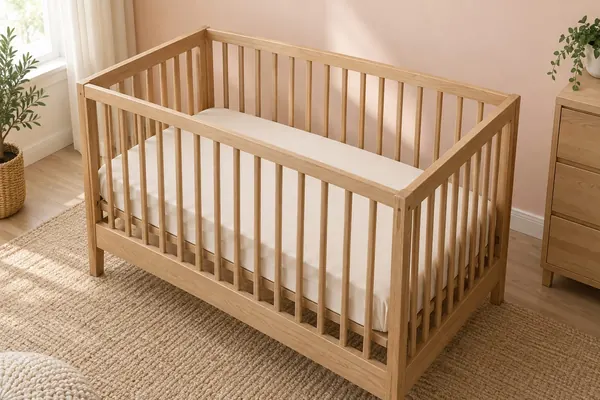
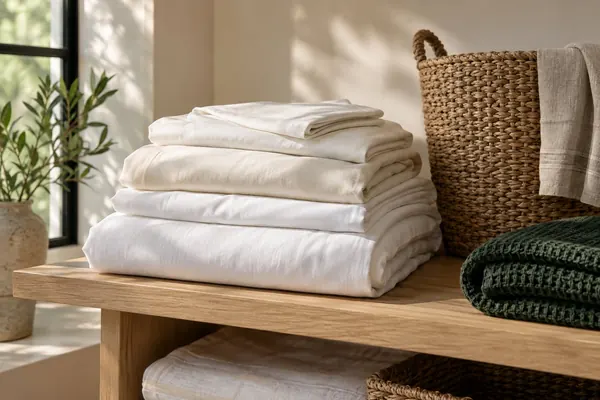
Select infant sheets first for fit and safe use. Israel’s Ministry of Health emphasises placing babies on their backs, an appropriate infant mattress and a snug fitted sheet without excess fabric. Keep pillows, dolls, toys and cot bumpers out of the sleep surface. Colour, softness and brand cannot correct a loose sheet. Organic-labelled items still require bed and mattress compatibility.
This is a sheet guide, not complete safe-sleep instruction. Official guidance covers environment, clothing and coverings; adult bedding advice about duvets, toppers or decorative layers must not be transferred to infants. Read the current full sources and the site’s safe-sleep guide. Individual medical needs should be discussed with the treating team rather than changing the surface or adding equipment on commercial advice.
Measure cots, bassinets and child beds separately
A bassinet and cot need not share a mattress size. Models vary within each category, and baby is not a dimension. Record the bed model and its approved mattress when changing equipment. Mattress-to-frame compatibility is separate from sheet-to-mattress fit; a correct sheet cannot repair an unsuitable mattress.
Do not transfer a sheet because its colour suits the new room. Measure and read model directions. Portable and specialist products need bedding explicitly suitable for that equipment. Do not choose an additional mattress or padding using adult comfort preferences. Keep a record for each sleeping surface so caregivers know its sheet. Equipment changes call for fresh checks rather than reliance on successful previous use.
For more information on the subject: Safer sleep for babies: the bed, mattress and sleep space.
Infant sheet: checks before use
| Check | Information needed | Practical decision |
|---|---|---|
| Bed and mattress | Model and approved compatibility | A sheet cannot fix an unsuitable mattress |
| Size | Width, length and height | Approval for the model, not baby wording alone |
| Grip | Four corners and a snug surface | No surplus, knots or improvised clips |
| LEN example | Sheet 60 × 120 in the checked model | Example only, not every cot size |
| Care | Label and post-wash condition | Dry and compatible before use |
| Added equipment | Current Israeli guidance | Do not add padding or protectors on commercial advice |
| Spare | Compatible sheet accessible to an adult | Outside the sleep surface |
Measuring an infant mattress for a sheet
On the empty bed, remove bedding and measure straight across width and length. Exclude frame, rail and handles. Measure height without compressing the surface or adding layers to reach a number. Repeat unclear readings and compare with the label. Follow model-specific directions before selecting alternatives.
Record numbers and units rather than cot or bassinet alone. This guide writes width before length in centimetres; another seller may reverse them. Establish whether a sheet title gives compatible mattress dimensions or fabric dimensions. Do not round length or width because elastic seems flexible. Request explicit approval for your model and measurements if specifications are incomplete. Measurement supports precise questions but does not replace equipment instructions.
What a 60 × 120 sheet example establishes
The IKEA LEN model checked for this guide lists a 60 × 120 cm sheet with its own composition and care directions. Those numbers belong to that model, not every Israeli cot. The listing does not establish compatibility with all mattresses called cot mattresses. Check your bed, mattress and fit height before use.
Some products state explicit size ranges, but no such range should be invented for every knitted sheet. Jersey or cotton does not approve a longer mattress. Packaging size is also not sheet size. Compare the relevant fields and save the specification before ordering. For a gift without details, identify its label and model rather than testing on the baby. Pleasant fabric cannot establish unverified compatibility.
First fitting on an empty bed
Fit with the baby out of the bed. All four corners should sit as directed, the surface should have no loose surplus and tension should not distort the mattress. Inspect the wall side and difficult corners. One correctly fitting corner does not prove overall compatibility. Stop if the sheet releases, is too small or remains loose.
Do not correct fit using pins, knots, cords or improvised clips. Tucking substantial surplus beneath the mattress does not approve an oversized sheet. Select a compatible product under its directions. AAP guidance emphasises the correct mattress and a snug sheet; inspecting grip is part of compatibility, not a household certification of any product. Clarify uncertainty before use rather than after a sheet slips during sleep.
Do not add padding for a softer appearance
An infant surface need not resemble an adult bed in a catalogue. Do not add a duvet, pillows or decorative layers to soften or fill the scene. NICHD and AAP emphasise a firm, flat appropriate surface with a snug sheet and warn against soft objects and loose bedding. A soft-feeling sheet is no reason to alter surface construction.
Do not place folded blankets or towels beneath the sheet to adjust height, support the body or compensate for size. The Ministry of Health’s baby-room page includes added mattress protectors among objects excluded from the empty bed. Distinguish an original mattress cover from an additional protector; do not add protectors or layers borrowed from child-bed advice. Follow official safe-sleep guidance and required individual advice for clothing and coverings. Spills are not a reason to improvise padding. Equipment questions must consider current infant guidance, not merely that an accessory is sold with the bed.
Fibre composition is not a safety certificate
Read fibre percentages and care directions. Cotton, knitting and blends may feel different, but a material name cannot make an incompatible sheet safe. Antibacterial or natural wording does not prove allergy prevention or prevent sleep risk. Choose products with clear fit and care information.
Inspect seams and finishing without adding decorations. A simple sheet may meet the need without projecting embroidery or extra parts. If a skin reaction occurs, retain product and laundry details and seek assessment when necessary; another fibre is not automatically the answer. Feel is considered within an already compatible choice, not instead of fit. Expensive baby branding still requires dimensions, grip and post-care checks.
Organic and certification claims: read the scope
A textile certificate can describe a material or process, not approve an entire sleep environment. Check the issuing body, certificate number and actual covered item. Do not extend fibre-origin information into claims that washing is unnecessary, reactions impossible or every mattress compatible.
The checked IKEA item describes composition and an organic certification. This is primary commercial information to read beside measurements, not our safety ranking. Origin, feel and price preferences can inform purchase after compatibility and use directions are established. Retain specifications if certification matters to you. Where scope is unclear, request details rather than letting organic wording settle every question.
Washing and drying initially and afterwards
Follow sheet, appliance and detergent directions. Perform required pre-use washing and dry completely. Infant use does not automatically permit hotter treatment for every sheet. Temperature, process and dryer permission are item-specific. Discuss equipment compatibility with the treating professional if a medical hygiene direction applies.
After drying, check size, corners and seams again on the empty bed. Care may change compatibility, so initial package fitting is insufficient. Detergent dose follows instructions and load, not a desired strong scent. Unapproved soaking recipes or mixed chemicals are unnecessary. Soiled items need an appropriate change; fragrance cannot replace cleaning and drying. Save the label so another caregiver can maintain the same routine.
Accessible changes without layered preparation
Keep a clean dry compatible spare accessible to an adult outside the bed. Quantity follows changes and drying time rather than one universal count. Plan where soiled items go without leaving bags, packaging or change supplies near the baby. Preparation does not require prebuilt layers on the sleeping surface.
Do not stack sheets, towels and pads to peel a layer away at night. Replace with an appropriate item and restore the required setup. Clear dimension labels help tired caregivers avoid oversized substitutes. Separate bassinet and cot spares. If a compatible sheet is unavailable, do not improvise with adult bedding or folded fabric; arrange an alternative permitted by the equipment and guidance beforehand.
Hand-me-down sheets need fresh checks
An older sheet can remain useful if condition and compatibility are preserved, but should not transfer automatically to another bed. Inspect size, elastic, seams, tears and loose parts. Model and care information support the decision. Missing labels or unclear height fit warrant clarification rather than reliance on previous use by another baby.
New gifts also need contents and specification checks. A baby photograph is not fit approval. Keep incompatible items outside active supplies to prevent accidental use. Do not repair weak grip with clips or knots; select an appropriate alternative. Label bed model and size for supplies moving between homes, so a clean item does not carry the mistaken assumption that all cots require the same sheet.
Visits and travel: the same checks away from home
Before a visit involving sleep, identify the surface and its directions. Bring a model-compatible sheet if needed rather than assuming the home sheet fits. Portable beds can require dedicated equipment and different instructions; do not add a mattress or padding to recreate home comfort. Ask for the manual where information is missing.
Coordinate bedding and the sleep setup with every caregiver. A brief demonstration on the empty bed can prevent dimension and corner confusion. Keep official sources accessible and explain that pillows and toys are not added for sleep. Check proposed alternatives before use even when new. Familiarity with a host household cannot replace equipment assessment; the sheet is only part of an infant environment needing appropriate guidance.
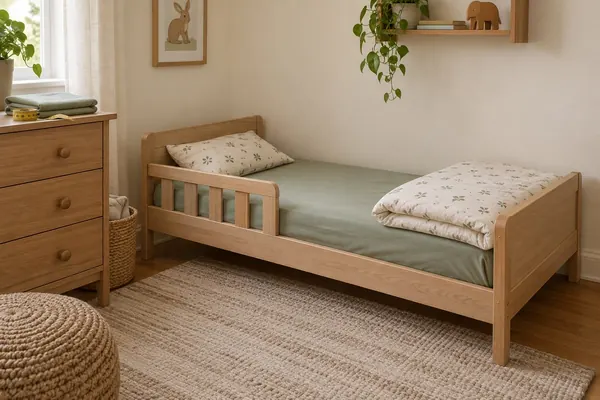
Moving to a child’s bed requires a new list
Remeasure on moving to a child’s bed and check directions against the child’s needs. Do not decide duvet or pillow use merely because an old sheet fits. Dimensions are one question; appropriate age and developmental use are another. The transition-bed guide concerns children’s selection and does not override infant guidance.
The safe infant sleep guide addresses the environment and the bedding size guide separates measurements. Retain a sheet in use only while size, grip and condition remain suitable. Choose colours afterwards without adding layers. A clear record of model, dimensions and care supports precise purchases and makes changes easier for caregivers at home or on visits.
Infant sheet: dimensions, grip and rechecking

- Appropriate bed and mattress under instructions
- Snug sheet without surplus or additions
- Recheck each corner after washing
Video: clearing the infant sleep space
This 2024 NICHD video explains clearing bedding and objects from the sleep space, based on the 2022 AAP recommendations. It provides US guidance rather than approval for an added protector; Israeli Ministry of Health guidance takes precedence when considering accessories.
By NICHDVideos — Safe to Sleep · Video language: English
On this article, the player loads when the page opens, without autoplay, unless you chose to block external content. Player privacy information
Open the video on YouTube (in a new tab)
The article can be read without watching. Captions depend on the options available on YouTube; the explanation is not a transcript.
Frequently asked questions
What size is an infant sheet?
There is no single size. Measure the bed’s approved mattress including height and model compatibility.
Can a larger sheet be folded to fit?
Do not construct fit with improvised folds; choose a specified snug sheet.
Does organic wording establish greater safety?
It does not replace fit, condition or use directions. Check certification scope separately.
Can loose elastic be fixed with clips?
Do not improvise cot attachments; stop using an incompatible sheet and select an approved alternative.
Can extra layers protect against soiling?
Do not stack pads, towels and sheets. Follow safe-sleep guidance rather than adult-bed advice.
Is an added protector recommended in Israel?
The Ministry’s room-preparation page includes mattress protectors in its empty-bed guidance. Do not add one on commercial advice; an original mattress cover is distinct.
Should fit be checked again after washing?
Yes. On the empty bed inspect dimensions, seams, elastic and every corner.
Does this replace safe-sleep guidance?
No. It focuses on sheets and links complete sources and individual advice where needed.
Sources and scope
Sources checked on 12 October 2026. Manufacturer sources describe their own products and instructions; they do not establish one universal rule for all bedding and mattresses.
- Israel Ministry of Health: safe infant sleep
Israeli guidance on positioning, mattress suitability and a snug sheet; read the complete directions.
- Israel Ministry of Health: preparing the baby’s room
Page dated 20 April 2026 includes added mattress protectors among objects excluded from the empty bed; distinguish the mattress’s original cover.
- NHS: what you will need for your baby
Existing reference retained for mattress and bedding context; overseas information does not approve additions in Israel.
- AAP: safe infant sleep environment
Appropriate mattress and snug fitted sheet; avoid soft objects and loose bedding.
- NICHD: safe sleep environment
Federal guidance on a firm, flat, level surface with a fitted sheet; not textile-care instructions.
- IKEA: LEN infant sheet 60 × 120
Example of model size, composition and care; not a universal cot standard or complete sleep-environment approval.
By MyViro.
General information about the subject; not a diagnosis or medical treatment. How we prepare our guides
Based on material from the MyViro archive, rewritten and reviewed on 12 October 2026.
Illustrative photos on this page were created with AI.